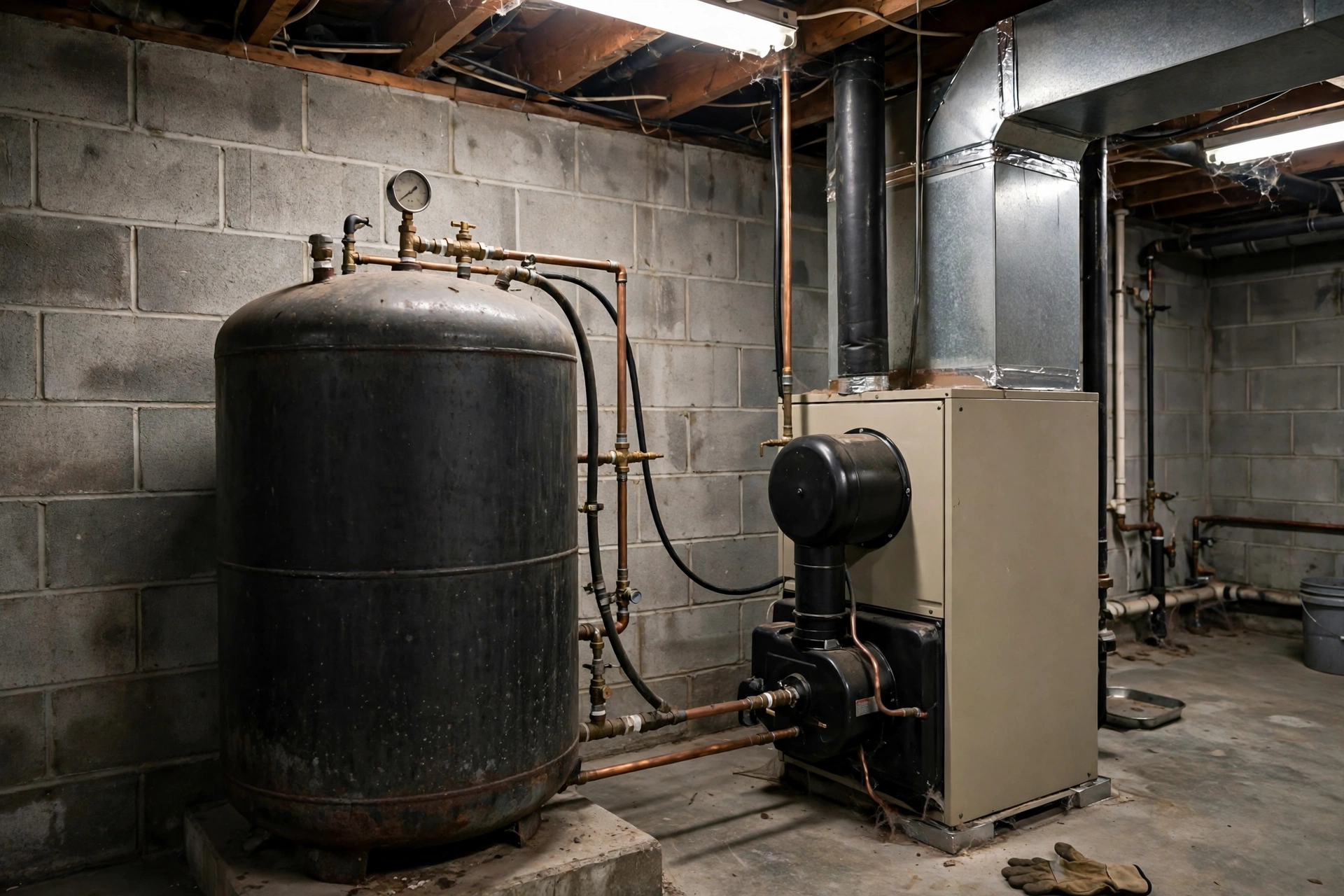
Heating Oil Furnace Guide for New Hampshire Homes
A heating oil furnace burns fuel oil to heat air that ductwork carries through the home, and it needs clean fu…
Learn more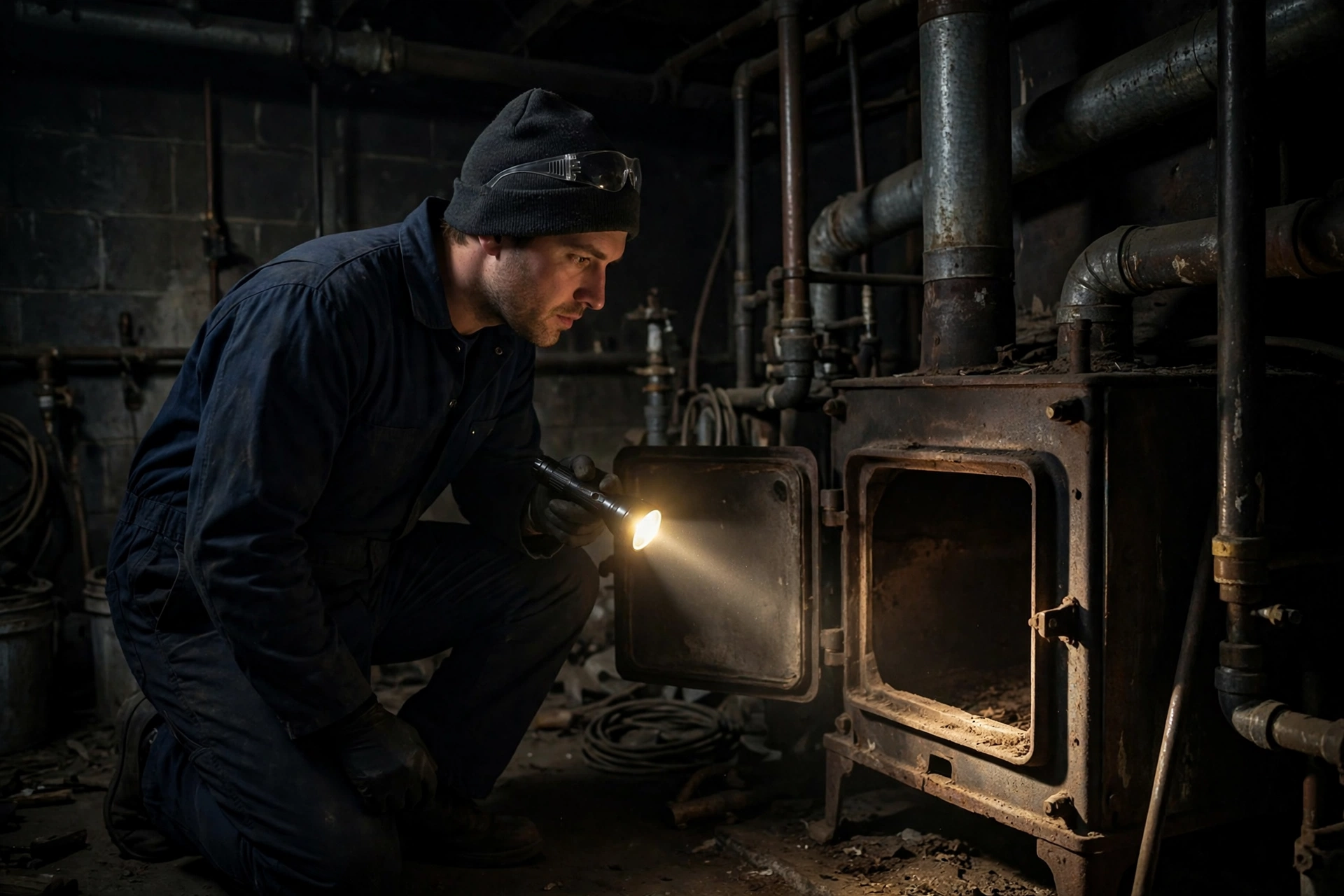
A furnace that will not turn on during a New Hampshire cold spell is stressful, and the natural reaction is to call for help right away. Sometimes that is exactly the right move. Before you do, though, a short series of checks can reveal a simple cause, and in some cases you can restore heat yourself in a matter of minutes.
Many no-start calls turn out to involve power to the unit, a thermostat problem, or a safety switch that tripped for a good reason. Working through these in order saves a service visit when the fix is simple, and it gives the technician useful information when the problem is real. Either way, you come out ahead for having checked.
This guide covers only safe, homeowner-level checks. It does not ask you to open the furnace cabinet, handle fuel connections, or bypass safety devices. If anything smells of fuel, or if a check feels outside your comfort level, stop and call a professional instead.
Begin at the thermostat. Confirm it is set to heat, that the set temperature is above the room temperature, and that the display is lit. A blank display often means dead batteries, and a thermostat set to cool after a power outage will happily ignore every call for heat. These checks take very little time and resolve a surprising share of no-start complaints.
Next, confirm the house has power more broadly. If lights and outlets are out as well, the problem is electrical supply rather than the furnace, and the utility or an electrician is the right call. A furnace needs electricity even when it burns fuel, since the blower, ignition, and controls all run on power.
Most furnaces have a dedicated power switch mounted nearby, often on the wall or on the unit itself, and it looks much like an ordinary light switch. It is easy to bump this switch off while moving stored items or working near the furnace, and it is also sometimes mistaken for a light switch by a visitor. Make sure it is in the on position.
At the breaker panel, look for the breaker labeled for the furnace and check whether it has tripped to the middle or off position. Reset it once by switching it fully off and then fully on. If it trips again right away, leave it off and call a professional, since a breaker that keeps tripping signals a fault that needs diagnosis rather than repeated resets.
Battery-powered thermostats give warnings before they die, but those warnings are easy to miss, and a dead thermostat cannot call for heat at all. Replacing the batteries is quick, and it is worth trying even if the display still looks faintly lit, since weak batteries can cause erratic behavior before the display goes dark.
While you are at the thermostat, check for settings that could block heating, such as a hold temperature set low, a schedule that has the system off during the hours you expect heat, or a vacation mode left on after a trip away. A thermostat that was recently replaced or reprogrammed deserves an extra look, since a setup error can leave the system silent.
Furnaces have safety switches that shut the system down when something is wrong, such as a blocked exhaust vent or an overheated heat exchanger. A blocked vent is common in a New Hampshire winter, when snow, ice, leaves, or a nest can cover the outdoor exhaust or intake pipes. Clearing visible debris from around those pipes can restore operation.
The condensate drain on some furnaces can also block and trip a safety switch, especially in cold weather when drain lines freeze. If you can see a frozen or kinked drain line, that is useful information for a technician. Do not bypass or tape down a safety switch to force the furnace on, since those switches exist to prevent dangerous running conditions.
When simple checks do not restore heat, a clear description helps a technician arrive prepared. Note whether the furnace is completely silent or whether the blower runs without heat, whether any lights on the unit are blinking, and whether the problem started suddenly or grew worse over time. Those details narrow the search before anyone opens a panel.
It also helps to mention what you have already checked, including the thermostat setting, the power switch, and the breaker. In a New Hampshire winter, mention how quickly the house is losing warmth and whether pipes, pets, or vulnerable family members need attention, so the visit can be prioritized in a sensible way. Keep the house as warm as you safely can while you wait, and close off unused rooms to hold heat where it matters most.
While heat is out, gather family and pets in the smallest comfortable room and close doors to unused spaces to hold warmth where people actually are. Layer clothing, use blankets, and keep curtains closed at night to slow heat loss through glass. If you use a portable heater, follow its instructions closely, keep it away from bedding and curtains, and never leave it running unattended in a room where no one is awake.
Check on neighbors, especially older residents and anyone living alone, since a heating failure can go unnoticed behind a closed door. Share what you have learned about your own furnace, and offer a warm room if someone nearby is without heat. Community care matters most during a New Hampshire cold spell, when a short visit can catch a problem early and keep a neighbor safe until repairs arrive.
Read the guide, then describe your furnace problem and we will help arrange the next step.
A heating oil furnace burns fuel oil to heat air that ductwork carries through the home, and it needs clean fu…
Learn more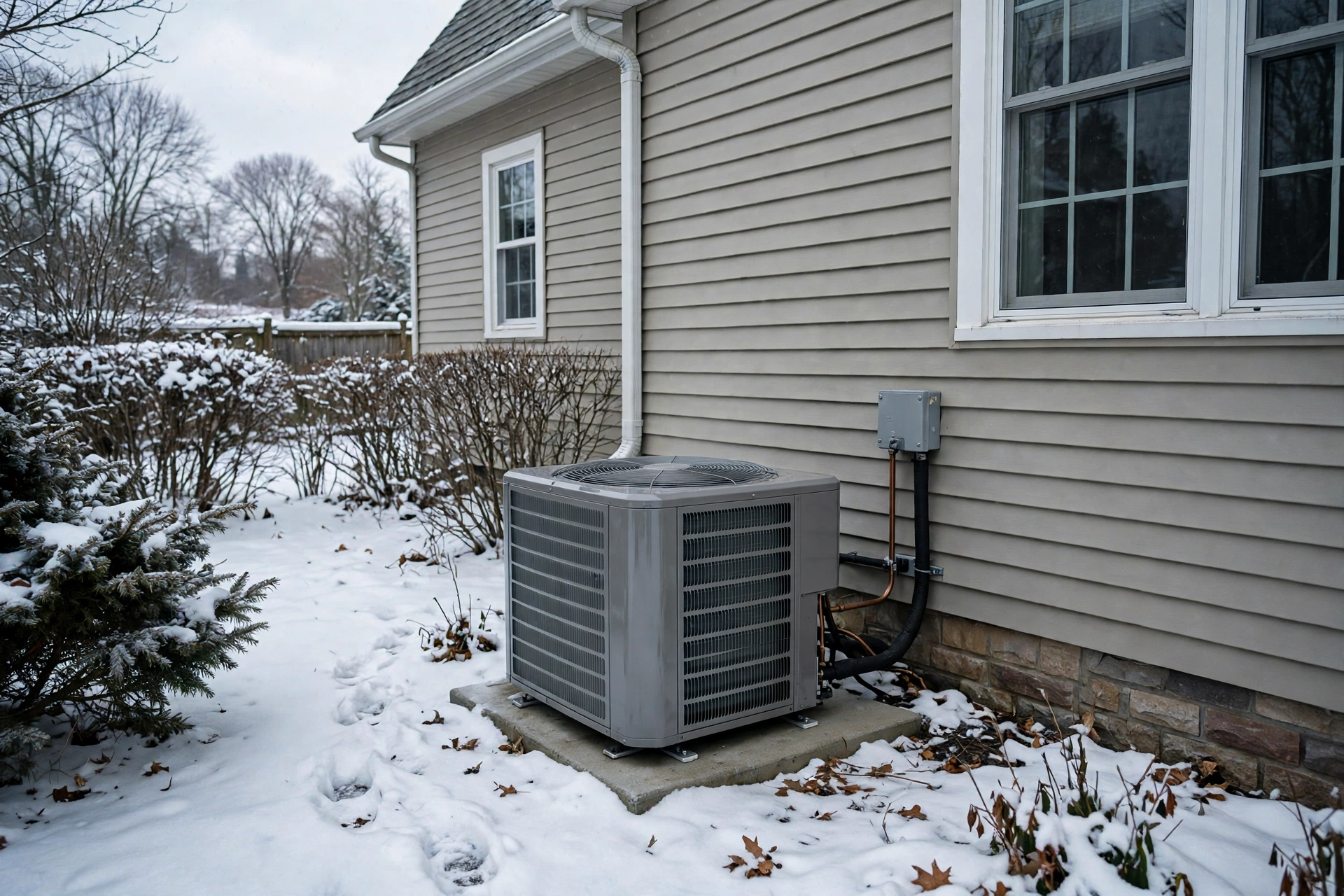
A furnace creates heat by burning fuel, while a heat pump moves heat from outside air into the home, so the be…
Learn more
Older New Hampshire homes lose heat through drafts, thin insulation, and uneven layouts, so comfort depends on…
Learn more