Furnace Repair in Dover, NH
Dover is the oldest permanent settlement in New Hampshire and the seat of Strafford County, a Seacoast mill city where the Cochecho River powered downtown mills and where brick mill buildings, worker housing, and a walkable downtown still define the center of town. The neighborhoods spread from Central Avenue and Washington Street through older residential streets to Dover Point on the Piscataqua River side, with midcentury homes and newer subdivisions filling the edges. That mix gives Dover a heating story unlike any other Seacoast community: deep mill history at the core, village scale streets in between, and modern suburban housing on the outskirts, each with its own furnace challenges.
Serving Dover, NH 03820
Seacoast winters in Dover bring long cold months, coastal dampness, and freeze and thaw cycles that work on heating systems from every angle. Moisture in river valley air can affect basements and ductwork, older homes lose heat through original windows and modest insulation, and heating oil remains common alongside natural gas and propane, with fuel often varying by street and by the era the home was built. A furnace in Dover must handle not just cold but damp, draft, and the layered additions that generations of owners have made to mill era houses.
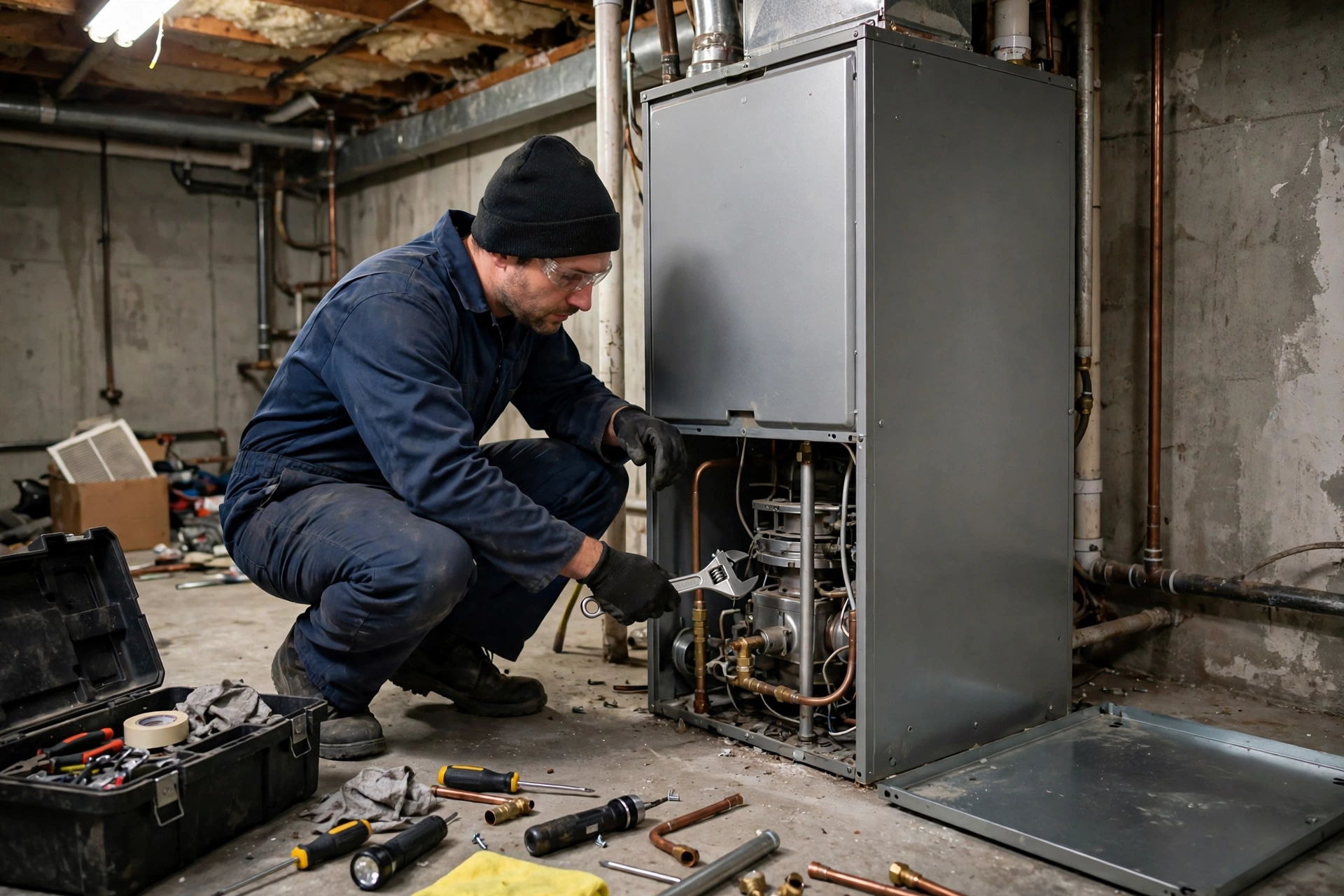
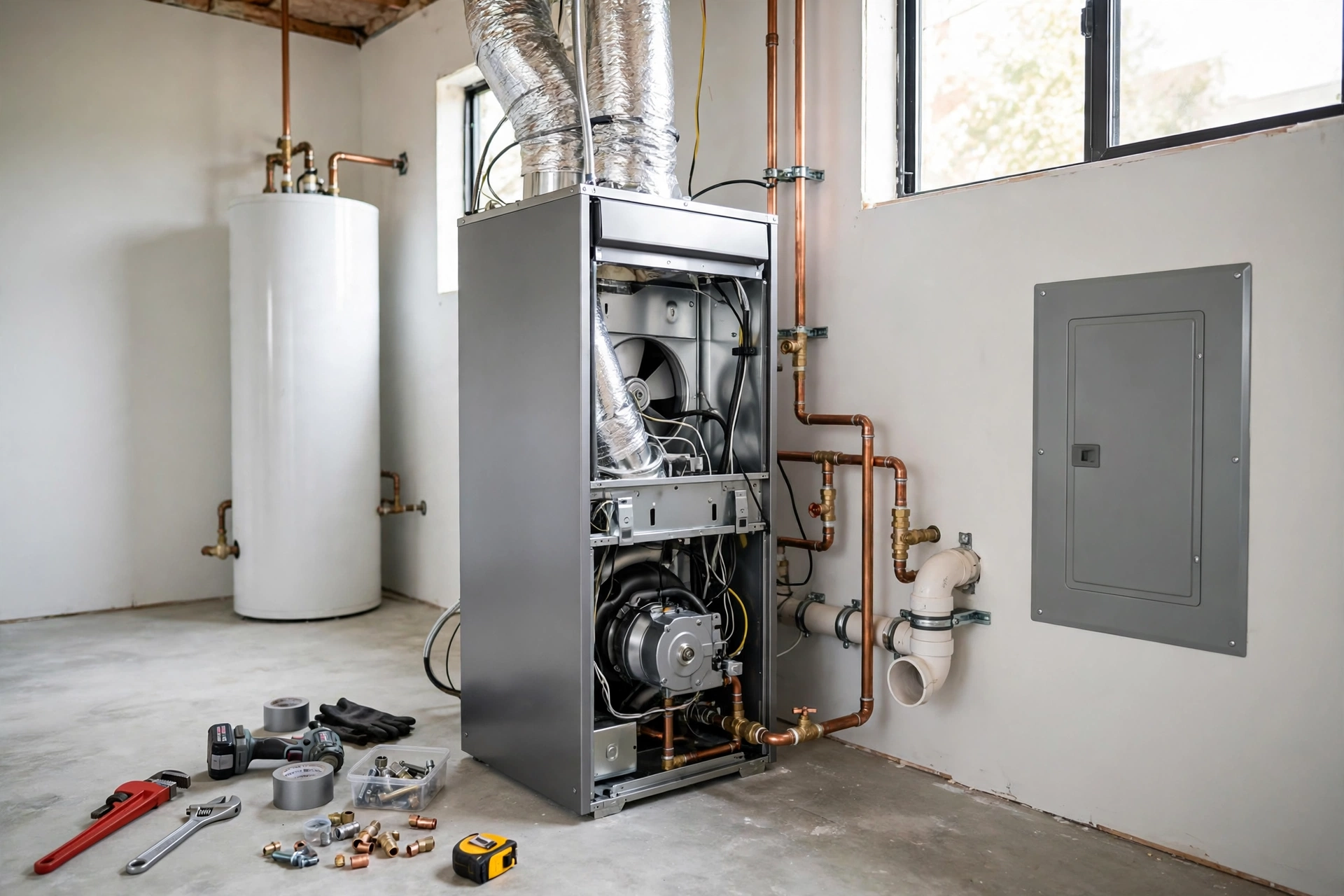
Granite State Furnace Pros serves Dover homes with furnace repair, replacement, and maintenance, beginning each visit with the house itself: its age, its additions, its ductwork, and the rooms that stay cold. Technicians explain what they find in plain language, separate equipment problems from duct or building problems, and set out repair or replacement options that fit the home rather than a generic script. From a downtown mill conversion to a family home near Dover Point, the goal is steady warmth through the Seacoast winter with fewer surprises along the way.
Downtown Dover Mill Buildings and Worker Housing
Downtown Dover grew around the Cochecho River falls, and the mill buildings and worker housing near the river still anchor the city's identity, with brick facades, tall windows, and dense streets that once served the mills directly. Converted mill apartments and older multi-family homes in this district share heating traits: high ceilings in converted spaces, shared walls that help and hinder in equal measure, and ductwork fitted into buildings never designed for forced air. A furnace serving one of these homes must move air through a layout shaped by history, and balancing that air across rooms with very different exposures is often the real work of a service visit.
Worker housing around downtown Dover also carries generations of updates, with heating systems added, extended, or replaced piecemeal as owners finished rooms, added bathrooms, or converted attics. Those layers can leave a home where the original rooms heat well but the newest rooms lag, or where a thermostat in a sheltered hallway calls for less heat than the drafty front rooms actually need. A careful review of airflow, register placement, and thermostat location usually reveals the pattern, and the fix may be balancing and duct attention rather than new equipment, which is why diagnosis comes before any recommendation.
- Brick mill buildings and worker housing along the Cochecho River
- Converted spaces with high ceilings and ductwork fitted after the fact
- Layered updates reviewed room by room before equipment decisions
Dover Point and the Piscataqua River Side
Dover Point reaches toward the Piscataqua River and the Great Bay estuary, where homes sit closer to open water and coastal weather than the downtown mill district does. Houses here range from older waterfront area homes to midcentury and newer properties, and the river setting shapes their heating needs: damp air that finds its way into basements and crawl spaces, wind exposure that strips heat from exposed walls, and salt air that ages outdoor and venting components faster than inland locations. Furnaces in this part of Dover benefit from attention to venting condition, basement moisture, and the seals that keep damp air out of ductwork.
The Dover Point area also blends year round homes with properties whose owners split time elsewhere, which means some furnaces sit idle for stretches and then face sudden heavy use. Idle periods let dust settle, condensate traps dry, and small issues hide until the system is asked to run hard, so a maintenance visit before the heating season is especially valuable here. Technicians check ignition, safety controls, and airflow, and flag any venting or moisture concerns while there is still time to address them before sustained cold arrives.
- River and estuary exposure with damp air, wind, and faster aging of vents
- Basement moisture and duct seals checked alongside furnace condition
- Pre season maintenance especially valuable for part time occupied homes
Older Dover Homes and Their Layered Heating Histories
Dover's age as a settlement means its housing stock includes some of the oldest homes in the state, alongside the mill era and midcentury houses that fill most residential streets. The oldest homes bring particular heating puzzles: thick walls, small rooms added over centuries, fireplaces that draw air, and heating systems that have been adapted repeatedly as fuels and technologies changed. A furnace in such a home is only one part of the comfort picture, and a technician who ignores the building will miss the reason some rooms stay cold even when the furnace runs well.
Layered heating histories also mean layered fuel histories, with homes that began on one fuel and moved to another, leaving old piping, chimneys, or vent paths that need checking when equipment changes. Replacement conversations for these homes should cover venting, chimney condition, ductwork, and fuel supply together, since changing one element without reviewing the others can create new problems. The reward for that care is a home that keeps its historic character while heating evenly and safely through Seacoast winters.
- Some of the oldest housing in New Hampshire with centuries of additions
- Fuel and venting histories reviewed together at replacement time
- Historic character preserved while comfort and safety improve
Seacoast Cold Snaps and Dover No Heat Calls
Dover furnace failures, like those across the Seacoast, tend to arrive with sustained cold, when systems run for hours and marginal parts finally give out. Early signs give homeowners a chance to act first: short cycling, a burner that hesitates, new blower noises, or a house that warms more slowly than it did last winter. Calling at the first sign, rather than waiting for a full stop, often means a simpler repair, a calmer schedule, and heat restored before the next cold stretch deepens.
When heat stops, safe homeowner checks can rule out simple causes quickly. Confirm the thermostat calls for heat and sits above room temperature, confirm the breaker has not tripped, confirm an oil tank has fuel, and inspect the filter for heavy dust buildup. If those steps do not restore heat, or if fuel smells or smoke appear, the furnace should stay off until inspected. A short note of symptoms, timing, and which rooms cooled first helps the technician diagnose faster, which matters most on the coldest nights when every minute without heat counts.
- Cold snap failures usually follow earlier warning signs worth acting on
- Thermostat, breaker, fuel, and filter checks rule out simple causes
- Fuel smells or smoke mean the system stays off until inspected
Replacing a Furnace in a Dover Mill Era Home
Replacing a furnace in a Dover mill era home is rarely a simple swap, and the best replacements start with the building. Ductwork may be undersized for the current layout, venting may follow an old chimney path, and the fuel at the property may offer options the previous owner never considered. A technician should walk the home, look at the rooms that struggle, check duct condition and venting, and discuss fuel choices before recommending equipment, because a new furnace inherits every duct and vent problem it connects to. Skipping that walkthrough is how comfortable homes end up with new equipment and old cold rooms.
Timing helps too. A replacement planned during mild weather allows careful sizing to the home as it stands, including finished spaces and additions, and time to address duct or venting work alongside the installation. Homeowners with aging Dover furnaces can begin that conversation at a maintenance visit, even while the old unit still runs, so the plan is ready when the unit finally retires. The result is a system fitted to the house, not just to the opening in the basement where the old furnace sat.
- Building first review covering ducts, venting, fuel, and cold rooms
- Sizing to the current home including finished spaces and additions
- Mild weather planning so duct and vent work can accompany installation
Dover Streets From Central Avenue to the Strafford County Edge
Furnace service in Dover runs from Central Avenue and Washington Street through the downtown mill district, out along the residential streets toward Dover Point, and into the newer neighborhoods near the Spaulding Turnpike and the Strafford County communities that border the city. Each stretch has its own housing rhythm, from dense downtown streets to quieter suburban roads, and local familiarity with those patterns helps technicians diagnose faster and recommend honestly. The Cochecho River, the mill buildings, and the Seacoast setting tie those neighborhoods together into a single heating story: old buildings, damp air, long winters, and furnaces that must be ready for all three.
Dover's position in the Seacoast also means many households commute toward Portsmouth, Durham, or Rochester, or work in the city's own downtown and mill district businesses, so daily heating patterns vary from home to home. Some houses run around the clock, others sit quiet through the workday, and both patterns deserve a furnace maintained for the way it actually runs. Clear explanations, maintenance timed before winter, and honest repair versus replacement guidance keep Dover homes warm through a season that tests every system in the city.
- Central Avenue, Washington Street, and the downtown mill district
- Dover Point and the Piscataqua River side neighborhoods
- Newer neighborhoods near the Spaulding Turnpike corridor
Dover Furnace Tune Ups for Seacoast Winters
A furnace tune up in Dover carries a Seacoast dimension that inland visits do not, since damp river valley air, coastal moisture, and older mill era housing combine to wear heating equipment in particular ways. The visit cleans and inspects burner and ignition components, tests safety controls, and measures airflow, but it also checks venting condition, duct seals, and basement moisture effects, because dampness near the Cochecho River and toward Dover Point can reach ductwork and furnace cabinets over time. In downtown mill buildings and worker housing, the technician reviews duct paths fitted into tight basements and additions layered over decades, while in newer neighborhoods the focus shifts to long duct runs and finished spaces that were added after the heating system was sized.
Homeowners in Dover can make the tune up more useful by reporting the signs that Seacoast winters expose first: rooms that stay damp or chilly, musty smells near ductwork, new noises from the blower, or a house that warms more slowly than it did last winter. Regular filter changes matter here as well, since coastal dust and moisture add to what filters must carry, and a clogged filter under heavy winter load can trip safety limits and shut the system down. Keeping the furnace area dry and clear, and mentioning any visible moisture near ducts or vents, helps the technician separate ordinary winter wear from dampness driven deterioration that deserves attention.
Over successive winters, Dover tune up records become a guide to the home's heating story, showing which components have worn, how ductwork has held up against damp air, and when an aging furnace is moving from reliable service toward retirement. That history supports honest repair or replacement conversations, especially for owners of mill era homes where a new furnace must be fitted to old ducts and venting rather than dropped into a blank space. A yearly preseason visit, kept without fail, is the most reliable way to keep a Dover furnace safe through Seacoast winters that combine cold, damp, and wind in measures few other New Hampshire cities experience.
Dover homeowners sometimes ask whether a tune up is still worthwhile for a furnace that seems to run fine, and the Seacoast answer is yes, because damp air and older ducts create wear that runs quietly until a cold snap exposes it. A visit that finds a corroded vent joint, a duct seal loosened by moisture, or an igniter near the end of its life gives the household a chance to fix the problem on a calm schedule, with the part on hand and the technician unhurried. Skipping that visit does not remove the wear; it only moves the discovery to the coldest night, when the repair is urgent, the house is cold, and every other Dover household with a neglected furnace is calling at the same time.
- Venting, duct seals, and moisture effects checked alongside standard service
- Mill era duct paths and newer finished spaces reviewed in the same visit
- Yearly records that track dampness driven wear over time
Furnace Questions in Dover?
Tell us what your furnace is doing and where you are, and we will help arrange the next step.
How much does furnace maintenance in Dover cost?
Maintenance pricing depends on the furnace type and fuel, the condition of the unit, and any additional checks the home needs, such as venting or duct review. The visit itself covers cleaning, ignition and safety checks, and airflow review, with any recommended repairs explained before they are done.
Does damp Seacoast air affect my Dover furnace?
Yes, damp air can affect basements, ductwork, and venting components, especially near the rivers and the estuary. Maintenance visits check for moisture related wear and duct seal issues so dampness does not quietly shorten equipment life.
Do you service mill conversions in downtown Dover?
Yes, converted mill apartments and older multi-family homes are a regular part of Dover service, including airflow balancing for high ceilings and rooms with very different exposures.
Why does my Dover furnace run constantly in cold weather?
Constant running in deep cold can be normal, but it can also signal an undersized unit, duct losses, a clogged filter, or heat loss through older windows and walls. A technician checks airflow and system condition to separate normal cold weather running from a real problem.
Should I replace my furnace or keep repairing it?
That depends on age, repair frequency, fuel use trends, and duct condition. A younger unit with one failed part is usually worth repairing, while an aging unit with repeated breakdowns is often a better replacement candidate.
What fuel types do you service in Dover?
Heating oil, natural gas, and propane systems are all covered, including burner service for oil furnaces and safety and venting checks appropriate to each fuel.
Furnace Questions in Dover, Answered
Not seeing your question? Request service and tell us what your furnace is doing.
Call (855) 625-1748