Furnace Installation
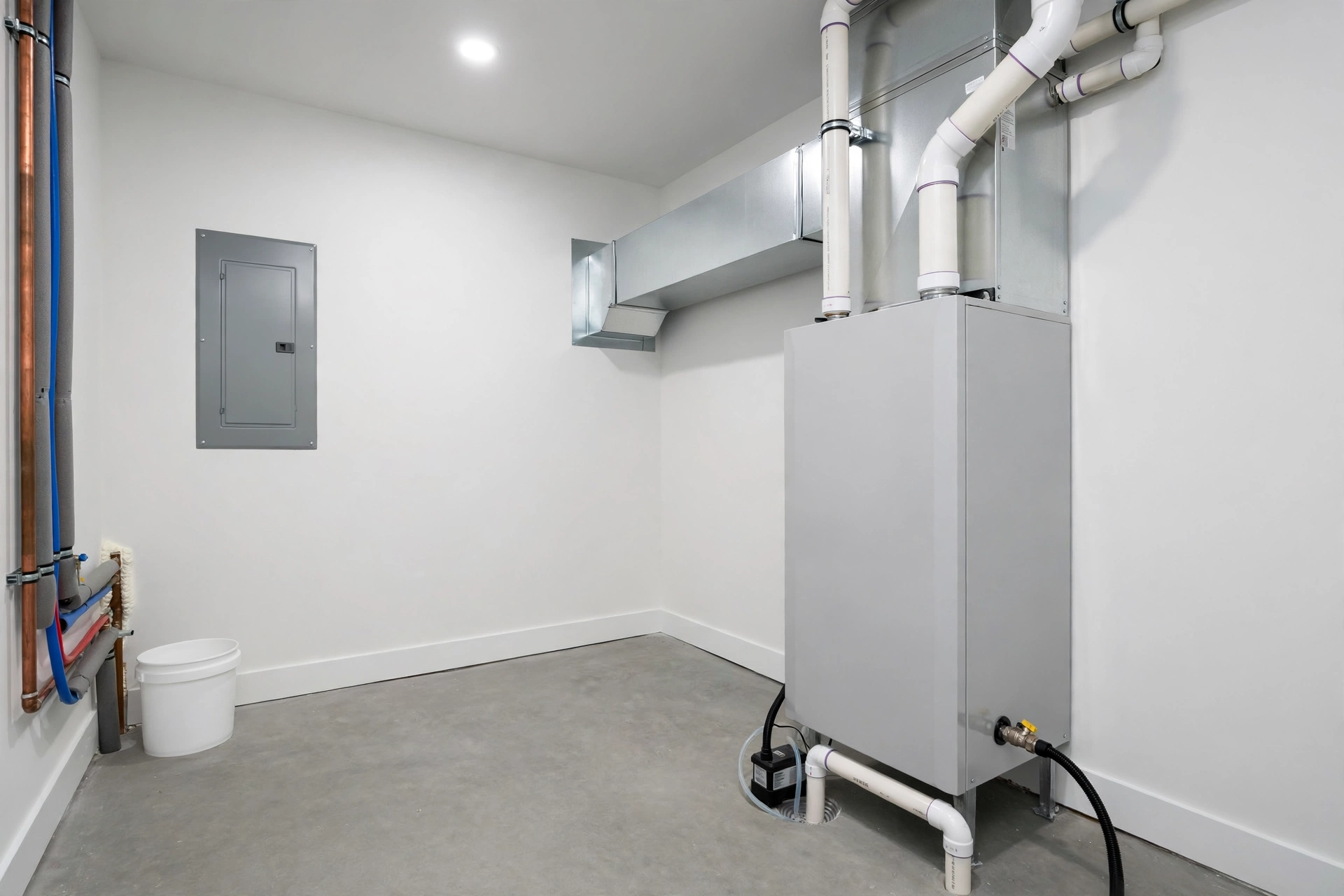
Furnace installation in New Hampshire means selecting a correctly sized gas or oil furnace for the home, remov…
Learn more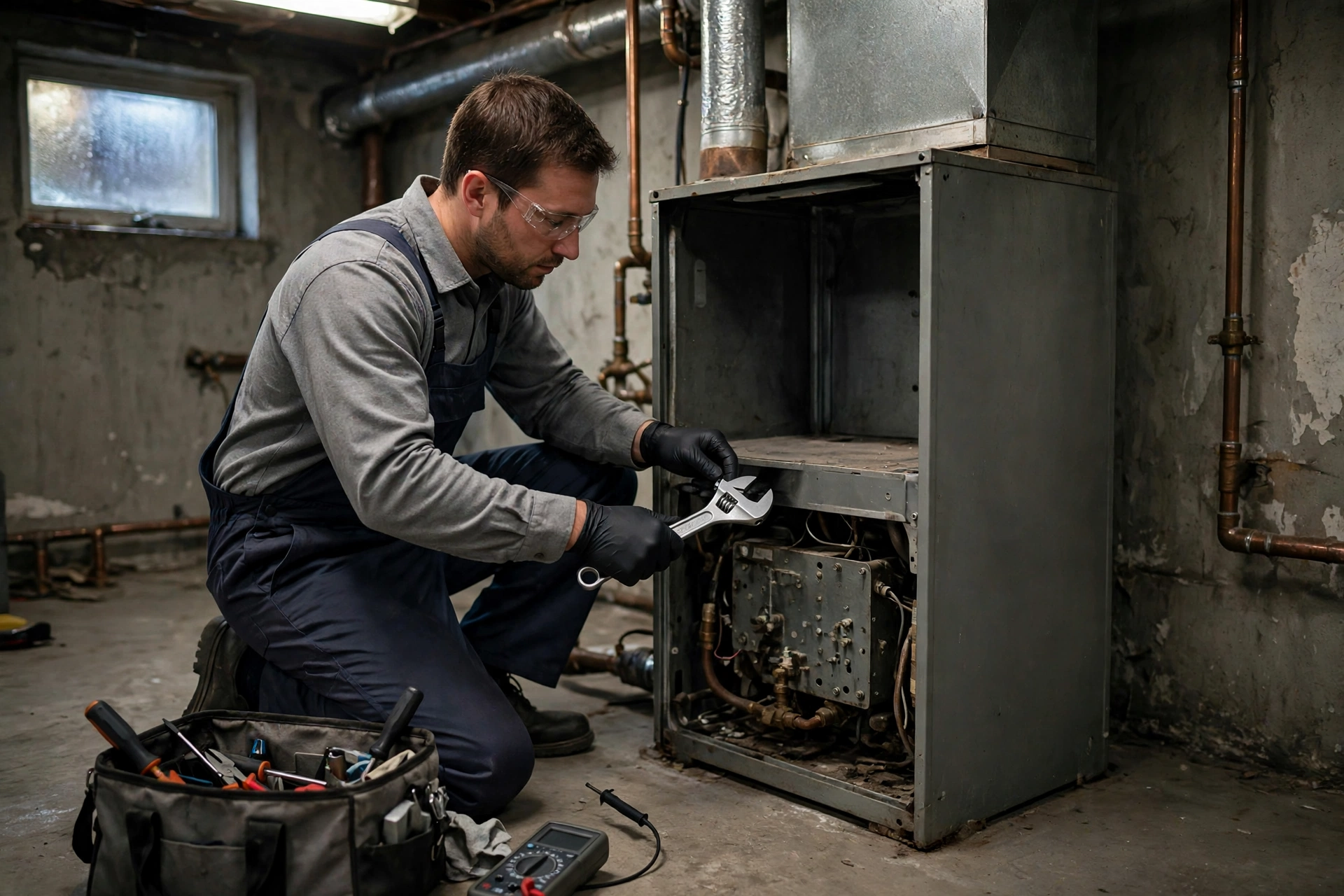
When a furnace stops working during a New Hampshire winter, the problem feels urgent in a way that few other home problems do. Cold air moves through older homes quickly, pipes near exterior walls become vulnerable, and a house that was comfortable in the morning can feel unwelcoming by evening. Furnace repair is about finding the real cause, not guessing at parts, and restoring heat that stays steady through long cold spells, freeze and thaw cycles, and the damp chill that settles into basements and older additions.
Many New Hampshire homes still rely on heating oil furnaces, and many others use gas furnaces in houses built long before modern duct layouts and insulation standards. Those systems work hard for months at a time, and age, dust, worn controls, and fuel delivery problems can all interrupt a heating cycle. A furnace that short cycles, shuts down at night, or leaves upstairs rooms cold while the main floor feels warm is often sending a clear signal that something inside the system needs attention before a small fault becomes a no heat night.
Granite State Furnace Pros approaches furnace repair as careful diagnosis first. A technician looks at the burner, ignition, controls, airflow, and safety devices together, because a single symptom can come from several different causes. The goal is a repair that fits the home, the system type, and the way the household actually uses heat, so the furnace returns to reliable service and the household can plan ahead instead of worrying about the next cold snap.
Furnaces rarely fail without warning, and the early signs are often easy to dismiss during a busy week. A new banging sound at startup, a burner that lights and then drops out, a blower that runs far longer than usual, or a thermostat that seems to call for heat without result can all point to a developing fault. In New Hampshire, where heating season stretches across many months, those early signs deserve prompt attention because a system that struggles in mild cold weather often fails when outdoor temperatures fall further and the furnace must run almost without rest.
Uneven heating is another common warning, especially in older New Hampshire homes with additions, converted attic rooms, or duct runs that were extended over time. One bedroom may stay cold while another overheats, or heat may arrive strongly near the furnace and fade by the far end of the house. That pattern can come from airflow trouble, duct leakage, a failing blower, or controls that no longer read the home correctly. Repair begins by tracing how heat moves through the house, rather than simply turning the thermostat higher and asking an already strained system to work harder.
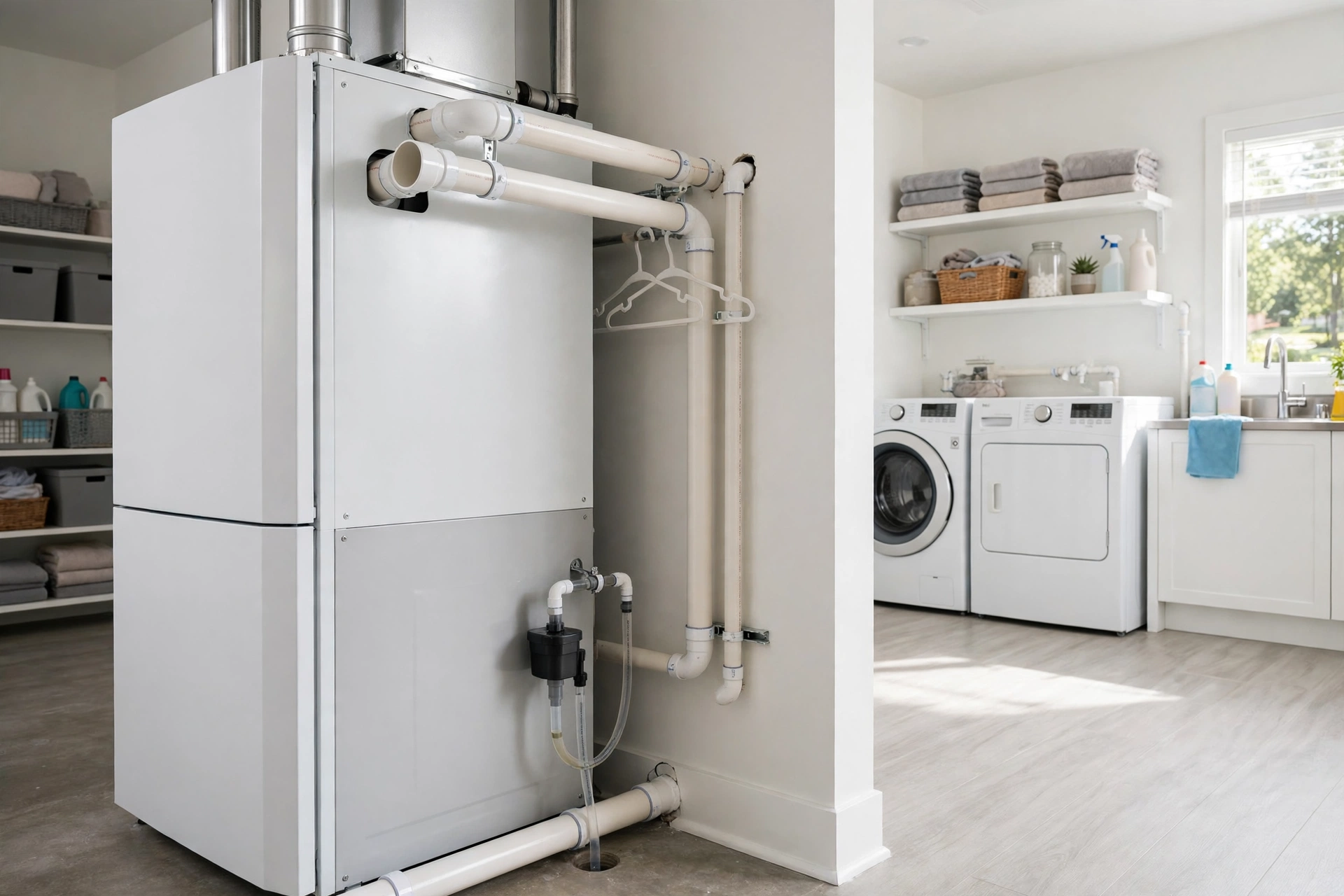
Ignition and burner problems sit near the top of the list for both gas and oil furnaces. A worn igniter, a dirty burner, a clogged fuel nozzle on an oil unit, or a flame sensor coated in residue can prevent a clean light or cause the burner to drop out after a short run. Those faults often appear after a long summer idle period, when dust settles inside the cabinet and fuel lines sit unused. A careful cleaning and inspection of the ignition path, followed by testing under a full heating cycle, usually reveals whether the fault is simple buildup or a part that has reached the end of its useful life.
Airflow and control problems make up a second large group. A clogged filter chokes return air, a weak blower motor struggles to push warm air through long duct runs, and a control board or limit switch that misreads temperature can shut the system down to protect it. Older homes add another layer, because thick plaster walls, narrow chases, and ductwork routed through cold attics or crawl spaces change how air behaves. Repair work therefore checks filters, blower condition, duct connections, and control settings as one connected system, instead of treating each symptom in isolation.
A repair visit starts with questions about what the household noticed, when the problem began, and whether it happens at startup, during long runs, or only on the coldest nights. Those details help narrow the search before any panel comes off. The technician then checks the thermostat setting and wiring, looks for error indicators on the control board, inspects the burner and ignition parts, and tests airflow at vents in several rooms. That sequence matters, because it separates a thermostat or control fault from a burner fault and a duct fault, and it prevents replacing parts that were never the cause.
After diagnosis, the repair itself may involve cleaning a burner or sensor, replacing a worn igniter or motor, correcting a wiring fault, sealing a duct connection, or adjusting controls so the furnace cycles correctly. Each change is followed by a test run, with attention to flame quality, blower behavior, vent temperature, and whether heat reaches the rooms that were cold before. The household should leave the visit knowing what failed, what was fixed, what still looks worn, and what to watch for during the next cold spell, so future decisions are based on clear information rather than surprise.
Heating oil furnaces remain common across New Hampshire, and they bring their own seasonal needs. Fuel filters clog, nozzles wear, and oil lines running through cold basements or along exterior walls can struggle when winter settles in for weeks. A furnace that ran well in autumn may begin to soot, rumble, or lock out in deep winter, not because the whole system failed at once, but because a small fuel delivery problem grew under heavier demand. Regular attention to the burner, filter, and fuel path helps an oil furnace light cleanly and burn steadily when the household needs it most.
Freeze and thaw cycles add stress in a different way. Water in condensate lines, damp basements, and outdoor vent terminations blocked by snow or ice can all interrupt a heating cycle or trip a safety device. A repair visit in winter therefore looks beyond the furnace cabinet to vents, drains, and the path fuel and air take into the system. Clearing a blocked vent, protecting a drain line, and confirming that combustion air reaches the burner freely can be just as important as any part replacement, especially in older homes where vent routes were set long before current layouts.
If heat stops and a repair visit is on the way, a few calm steps can protect the home without creating new risks. Keep interior doors open so any remaining warmth spreads evenly, and let faucets on exterior walls drip slightly if pipes feel at risk during a hard freeze. Avoid using ovens, grills, or unvented heaters as substitutes for furnace heat, because those devices were not designed to heat a whole house and can create dangerous indoor air conditions. Portable electric space heaters can help a single occupied room, but they should stay clear of bedding and curtains and should never be left running unattended.
It also helps to note exactly what the furnace did before it stopped, because that history speeds diagnosis. Did the burner try to light and fail, did the blower run without warm air, did a breaker trip, or did the system simply go quiet? Sharing those details, along with the age of the filter and the last time the system was serviced, gives the technician a head start. Once heat returns, watching the first few cycles for steady operation, even temperatures, and normal sounds confirms that the repair held and that the home is ready for the next stretch of cold weather.
Once a repair is complete, the most useful test is a slow walk through the home during the next full heating cycle, checking each room for warm air, steady temperature, and normal sounds. Far bedrooms, rooms over garages, and additions often reveal whether airflow and burner operation truly recovered, because those spaces suffer first when a fault remains. If one room still lags behind while others feel comfortable, that detail matters and should be shared promptly, since it may point to a duct balance issue or a control setting that needs a small adjustment rather than a repeat of the original repair.
Describe what your system is doing and we will help arrange the next step.
Repeated shutdowns often come from a flame sensor, ignition part, limit switch, or airflow restriction that trips a safety control. A technician tests each of those parts under a full heating cycle to find which one is interrupting operation, rather than resetting the system and hoping the fault clears on its own.
Check that the thermostat is set to heat, that the filter is not clogged, that the breaker has not tripped, and that outdoor vents are clear of snow. If the furnace still will not run, note any sounds, smells, or indicator lights and share those details when you arrange a visit.
Delayed ignition on an oil furnace can cause a rumble or boom at startup, often linked to a worn nozzle, dirty burner, or ignition trouble. That sound deserves prompt attention, because continued delayed ignition can soot the heat exchanger and make the problem harder to clean.
Uneven rooms usually point to duct leaks, blocked vents, a weak blower, or rooms added after the original duct layout was built. Diagnosis traces airflow room by room so the fix targets the run or control causing the imbalance, not just the thermostat setting.
Repair cost depends on home size, system type, the part or parts involved, and the scope of work needed to restore safe operation. A simple cleaning or sensor replacement differs greatly from a blower motor replacement or a duct repair, so an accurate figure follows diagnosis of the specific fault.
Repeated resets can mask a burner, fuel, or safety problem and allow soot or unburned fuel to build up. If a furnace locks out more than once, leave it off, note what happened before the lockout, and arrange for diagnosis instead of pressing reset again.
Not seeing your question? Request service and describe what your system is doing.
Call (855) 625-1748Furnace installation in New Hampshire means selecting a correctly sized gas or oil furnace for the home, remov…
Learn more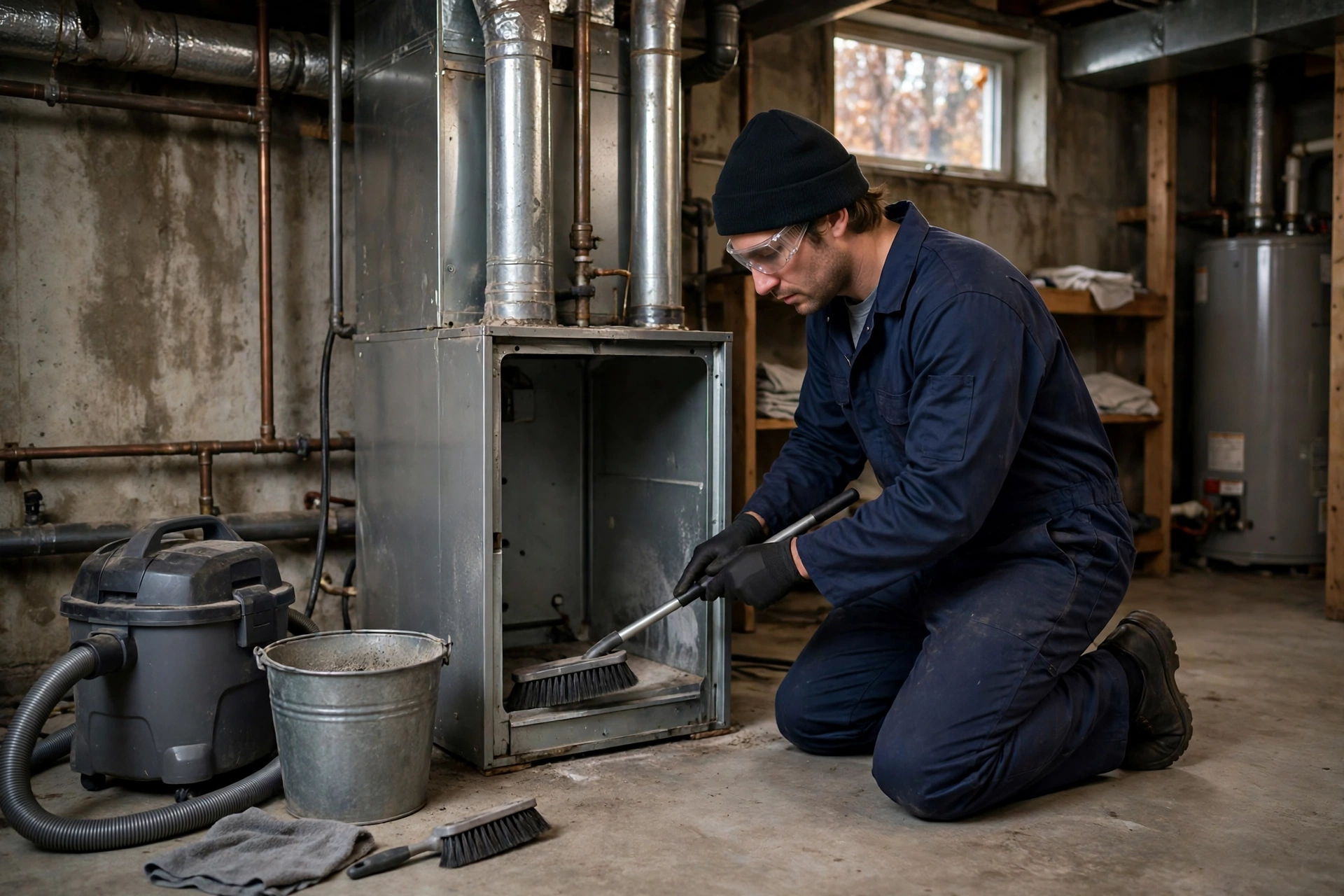
A furnace tune-up in New Hampshire is a seasonal inspection, cleaning, and testing visit for gas or oil furnac…
Learn more
Boiler repair in New Hampshire covers diagnosis and repair of hot water and steam boilers that serve radiators…
Learn more