Heat Pump Versus Furnace in New Hampshire
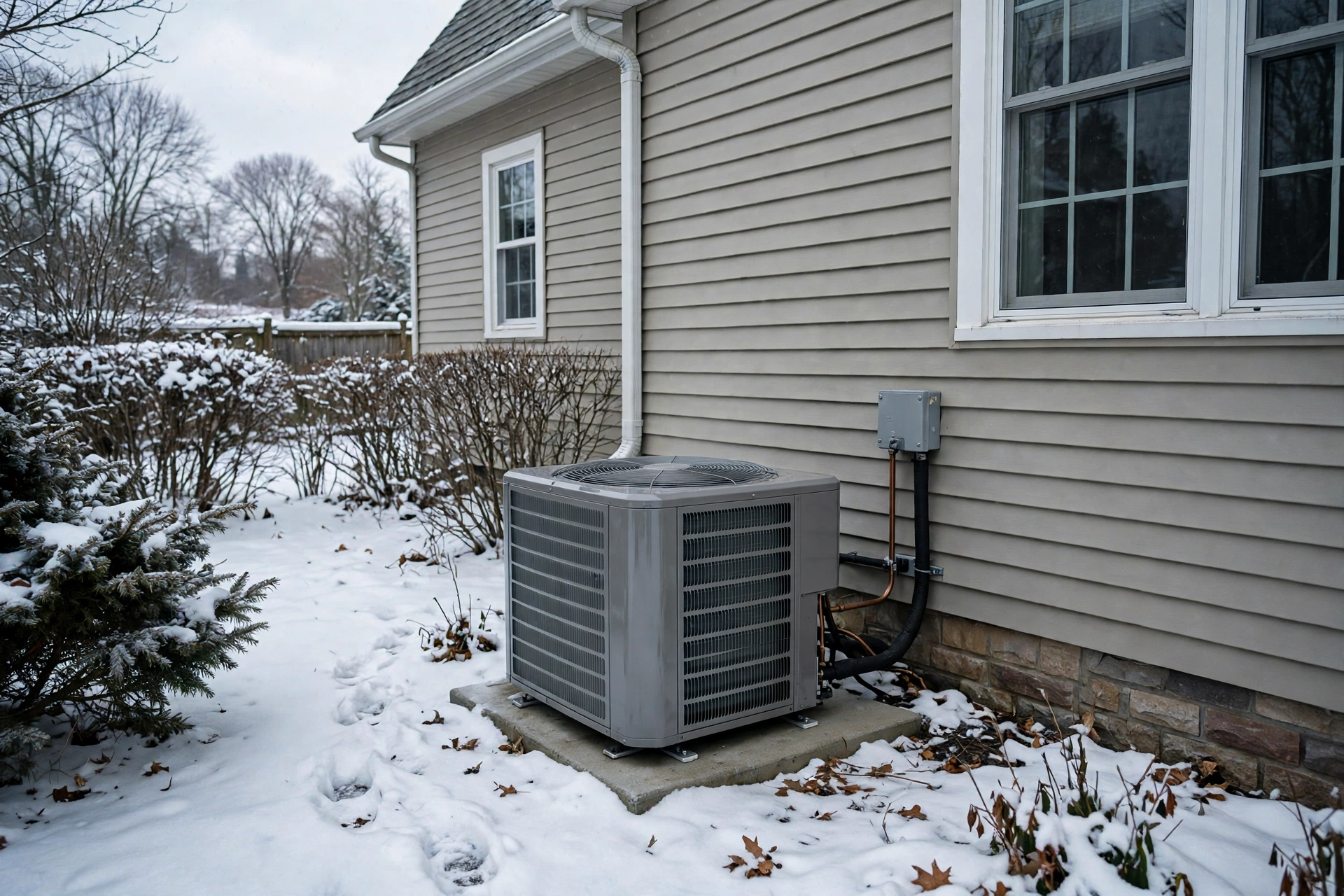
A furnace creates heat by burning fuel, while a heat pump moves heat from outside air into the home, so the be…
Learn more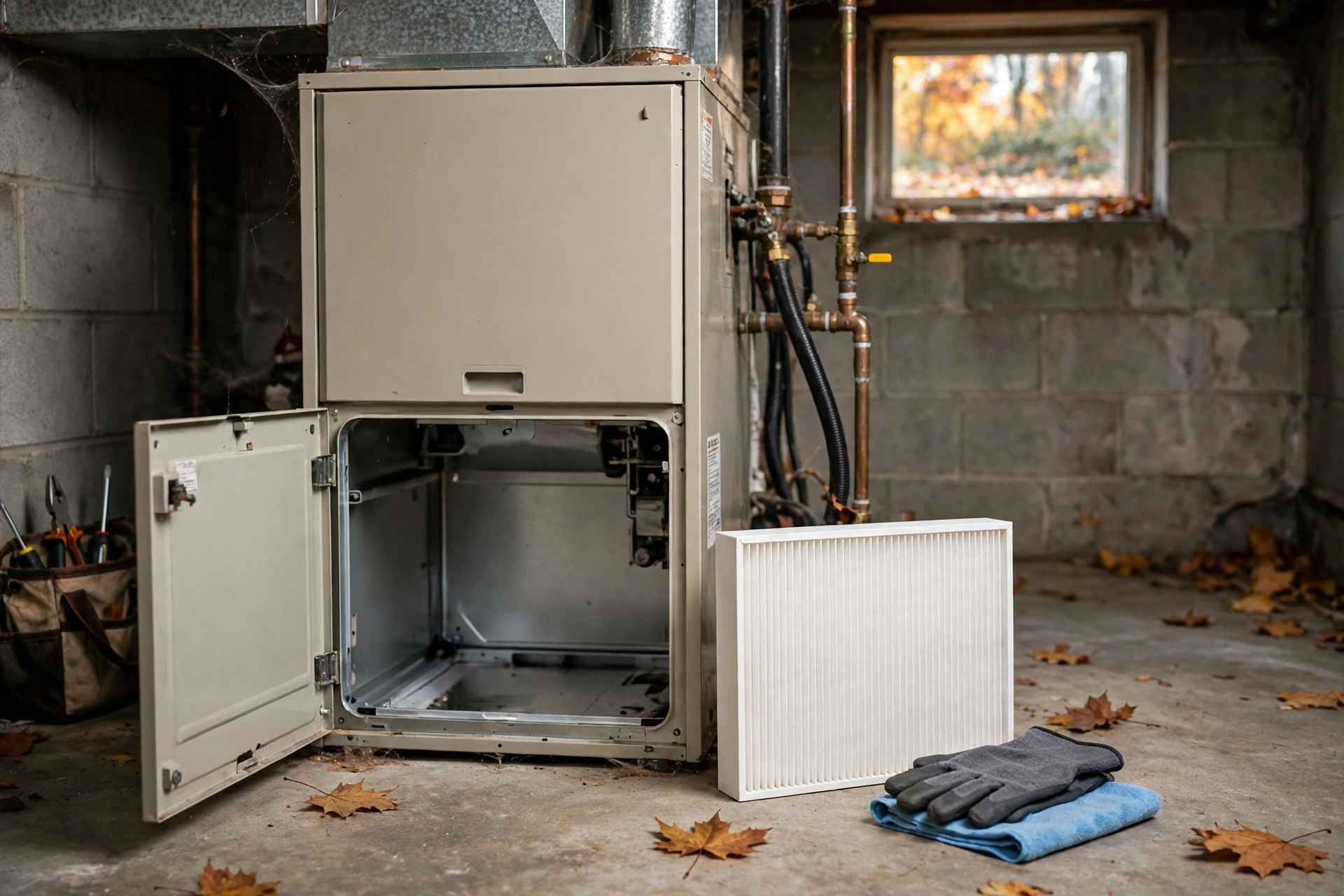
Autumn in New Hampshire moves quickly. Warm September days give way to frosty nights, and before long the furnace is carrying the whole house through months of cold. The best time to prepare that furnace is in fall, while the weather is still mild, technicians have more availability, and any problem found can be fixed without a cold house hanging over the decision.
A fall checklist does not need to be complicated. It is a set of simple checks, some you can do yourself and some best left to a technician, that together catch the issues most likely to cause a midwinter failure. Filters, vents, thermostats, and burner health all belong on the list, along with a look at the spaces around the furnace and the outdoor vent openings.
Work through this checklist each autumn and you will head into winter with a clearer picture of your system. You will also know what was checked, what was fixed, and what to watch for as the season deepens, which makes any later call for help faster and more useful.
Fall is the natural turning point for heating care because the furnace is about to move from occasional use to steady, daily work. Problems that sat quietly through summer, such as a clogged filter, a tired ignition part, or a vent blocked by leaves, show up quickly once the system runs for hours at a time. Finding them in autumn means fixing them on your schedule rather than during a storm.
There is also a practical advantage to acting early. Service visits are easier to arrange before the first deep cold, when every heating company in New Hampshire is fielding urgent calls. An autumn visit also gives you time to weigh a repair or a larger decision without pressure, and to order any parts that might be needed before winter demand peaks.
Start with the filter, since it is the simplest check with the largest payoff. Slide it out, hold it up to the light, and replace it if light barely passes through. A clean filter protects airflow, helps the heat exchanger run at a safe temperature, and keeps dust from circulating through the home all winter.
Next, walk the house and check vents and returns. Make sure they are open, unblocked by furniture or rugs, and not covered by drapes that fell over them during summer cleaning. Outside, look at intake and exhaust pipes for leaves, nests, and debris, and clear the area around them so the furnace can breathe and vent safely through the season.
Test the thermostat before you truly need heat. Set it a few degrees above the room temperature, switch to heat mode, and listen for the furnace to start. Watch that it runs a full cycle and shuts off normally, and check that warm air reaches the rooms you use most. If the thermostat uses batteries, replace them in fall so a dead display does not leave you without heat on a cold night.
Safety controls deserve a technician's eye during a fall visit, since they are the parts that shut the system down when something goes wrong. A technician can test limit controls, flame sensing, and other safety devices, and can check the heat exchanger for wear. These checks are not visible from outside the furnace, which is why a professional visit belongs on every fall checklist.
Oil-heated homes have a few extra fall tasks. Arrange burner service before the season, including cleaning, nozzle and filter attention, and a check of ignition and combustion. A clean burner runs more steadily, produces less soot, and is far less likely to lock out during a cold spell than a burner that has gone unserviced through a long summer.
Check the oil tank as well. Look at the gauge, watch for stains or odors that could signal a leak, and make sure the fill pipe is accessible for deliveries. Ordering an early autumn delivery, before winter demand and storm delays, means the tank starts the season in good shape and you are not chasing a delivery during the first cold snap.
The value of a fall checklist grows when it becomes a routine. Keep a simple note of what was done each autumn, including the filter size, the date of service, and anything the technician flagged for watching. That note saves guesswork next year and helps a new technician understand the history of your system at a glance.
Pair the furnace routine with the rest of your autumn home care, such as checking weatherstripping, closing storm windows, and clearing gutters before ice forms. A home that holds heat well asks less of its furnace, and a furnace that starts winter clean and checked is far more likely to carry you through to spring without drama.
Seasonal homes need a fall routine of their own, separate from the routine for a year-round house. Before the first hard frost, confirm that the furnace runs a full cycle, that vents are clear of leaves and nests, and that the fuel supply will carry the home through the stretches when no one is there. A seasonal home that is left without a check can hide a furnace problem until a neighbor notices ice, damp, or silence from the house.
Arrange winter visits from someone local, and agree in advance on what that person should check: indoor warmth, furnace sounds, fuel level, and any sign of water where it should not be. Leave a key and simple written instructions, along with the name of your heating company. That arrangement turns a distant worry into a watched home, and it is the single most useful fall step for a seasonal property.
Read the guide, then describe your furnace problem and we will help arrange the next step.
A furnace creates heat by burning fuel, while a heat pump moves heat from outside air into the home, so the be…
Learn more
Older New Hampshire homes lose heat through drafts, thin insulation, and uneven layouts, so comfort depends on…
Learn more
There is no single lifespan for a New Hampshire furnace, because long heating seasons, fuel type, installation…
Learn more