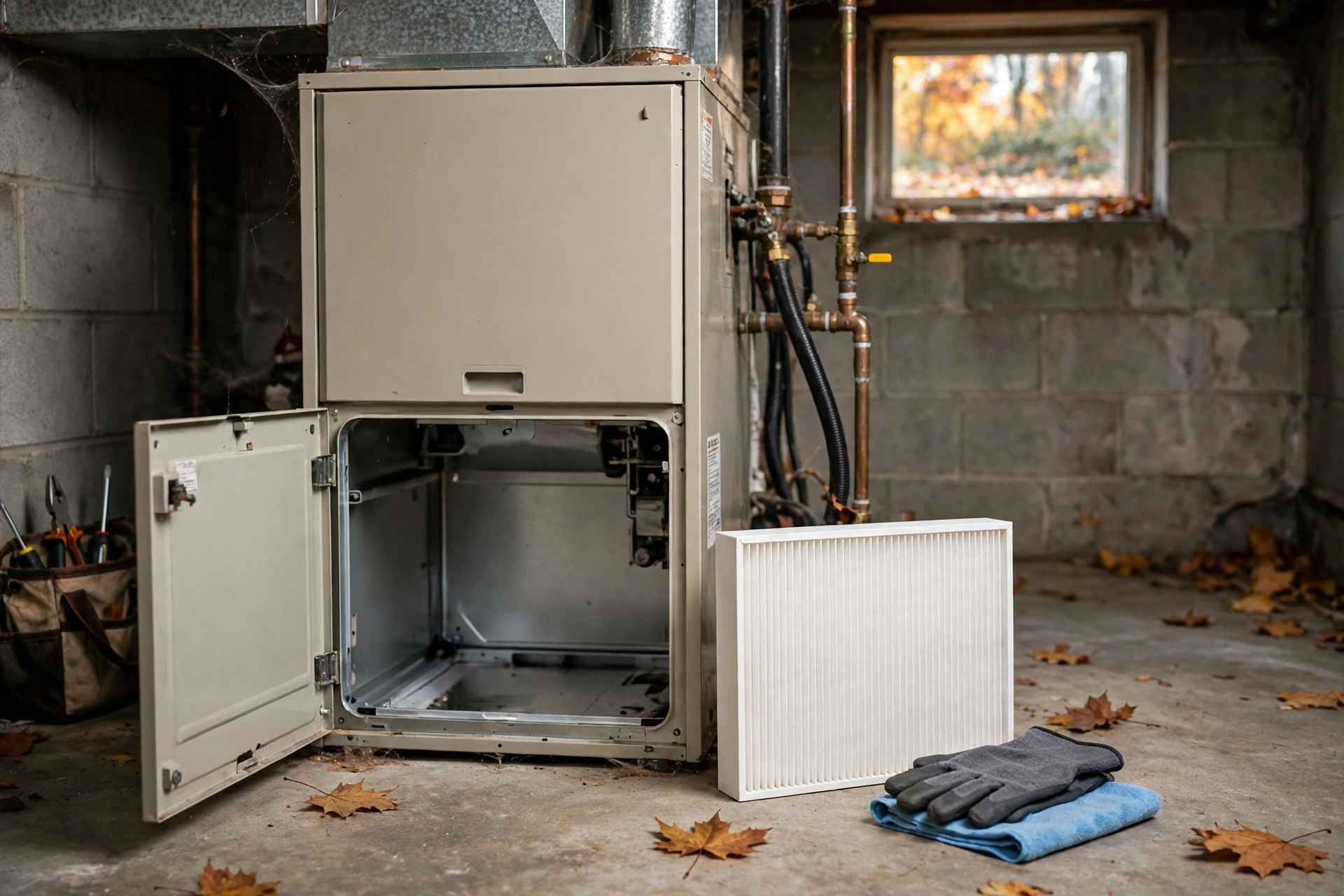
Fall Furnace Maintenance Checklist for New Hampshire
Fall furnace care in New Hampshire means changing filters, clearing vents, testing the thermostat and safety c…
Learn more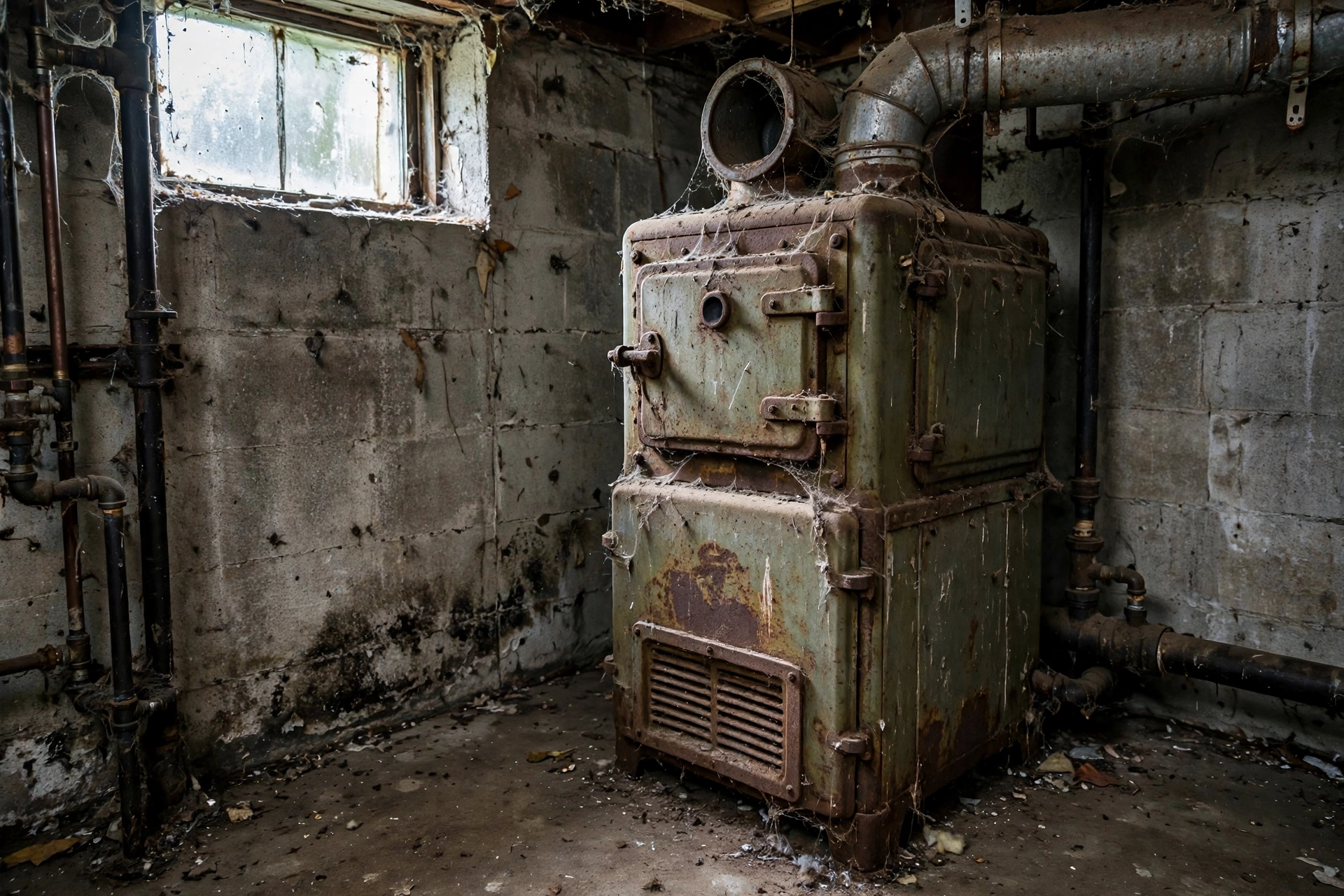
Homeowners often ask how long a furnace should last, hoping for a simple answer they can plan around. In New Hampshire, the honest answer depends on the system itself and on the winters it has lived through. A furnace here runs for a large part of the year, through long cold stretches, lake-effect dampness, and sharp swings between mild days and deep cold.
That workload matters. A furnace in a mild climate may cycle gently for a short season, while a New Hampshire furnace starts and stops through months of steady demand. Older homes add their own demands, with drafts, uneven rooms, and ductwork that may not match the system. All of this shapes how a furnace ages, and why two furnaces installed in the same era can end up in very different condition.
This guide explains what determines furnace life in New Hampshire, the warning signs that a system is nearing retirement, and the habits that support a longer service life. It will help you judge whether your furnace still has good years left or whether it is time to start planning for a replacement.
Several factors work together to determine furnace life. Installation quality sits near the top of the list, since a system that is sized well for the home and connected properly will run with less strain from the start. A furnace that is too large for the house cycles on and off too often, while one that is too small runs almost constantly in cold weather, and both patterns wear parts faster.
Fuel type and heating load matter too. Oil furnaces have burners, nozzles, and filters that need regular attention, and gas systems have their own ignition and venting needs. A home with poor insulation, leaky ducts, or rooms that never warm up forces the furnace to work harder than a tight, well-balanced home, and that extra work shows up over time in repairs and declining comfort.
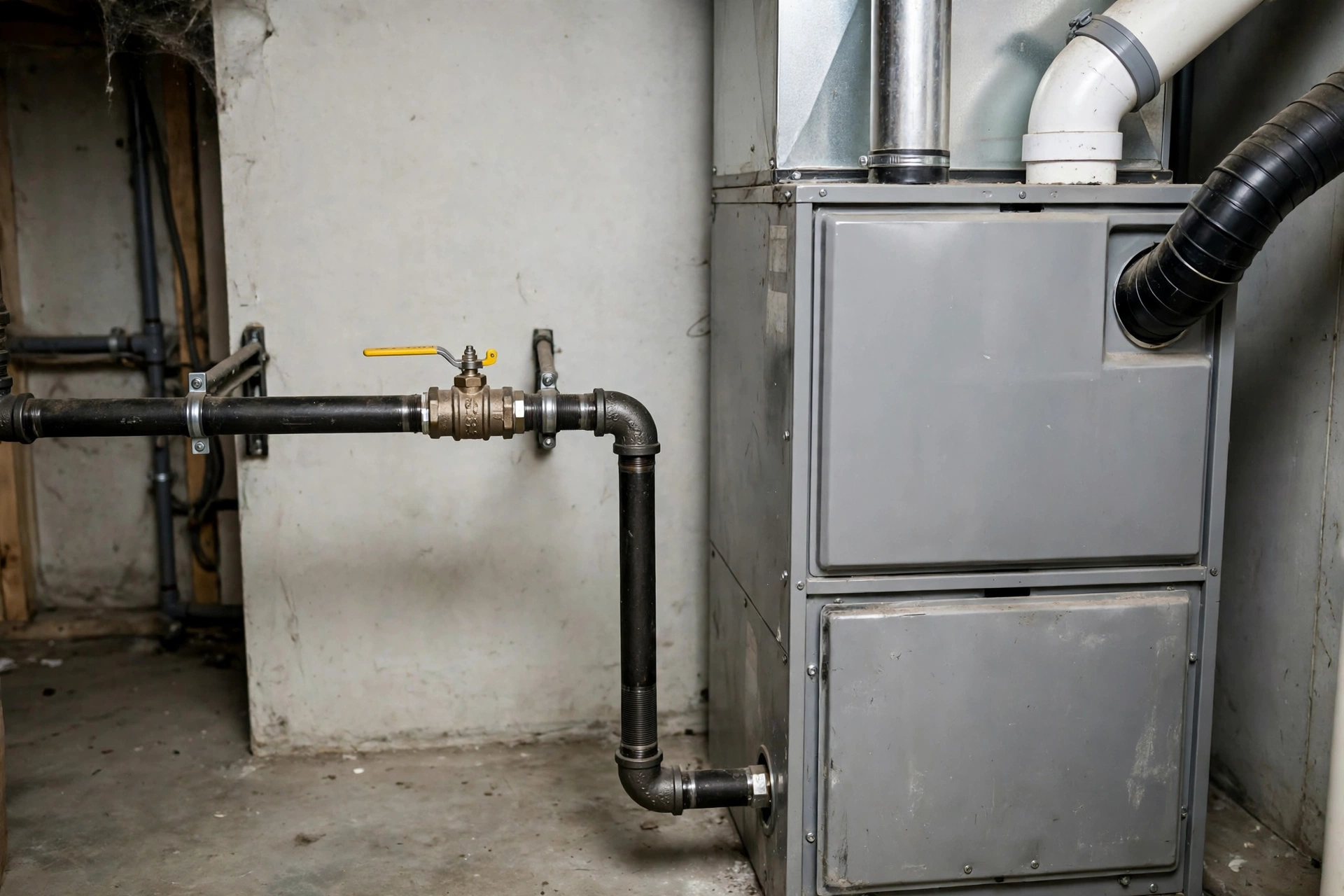
Heating oil remains common across New Hampshire, from rural homes beyond the gas network to older neighborhoods where oil heat has served for generations. An oil furnace in this state faces a long season of steady firing, and soot, sediment, and burner wear accumulate through the winter. Regular cleaning and burner service keep combustion clean and steady, which protects both comfort and the heat exchanger.
Oil supply and storage also play a role in lifespan. Running a tank dry can draw sediment into the lines and strain the burner, while a tank that sits through damp seasons can collect moisture that affects fuel quality. Keeping an eye on the tank level through winter, especially before a storm, is a small habit that prevents a hard shutdown and a cold house at the worst moment.
Age alone does not condemn a furnace, but a pattern of changes often signals that retirement is approaching. Rising repair visits, parts that keep failing, rooms that no longer warm evenly, and a system that runs louder or longer than it used to are all worth noting. When several of these signs appear together, the furnace is telling you that its reliable years are narrowing.
Other clues include a burner that needs frequent adjustment, a heat exchanger showing visible wear during service, and a home that feels drafty even when the furnace runs steadily. A cracked heat exchanger is a serious safety matter and a clear reason to stop using the system until it is assessed. If a technician raises that concern, treat it as urgent rather than as a routine repair.
Regular upkeep is the strongest lever a homeowner has over furnace life. A yearly service visit lets a technician clean the burner, check ignition and safety controls, inspect the heat exchanger, and catch small wear before it becomes a failure. Between visits, changing filters on schedule and keeping vents clear keeps airflow steady and prevents overheating that strains the system.
Homeowners can also help by keeping the area around the furnace clear, watching for new smells or sounds, and not ignoring a problem that appears early in the season. Small issues caught in autumn are far easier to address than the same issues discovered during a January cold snap, when every home in the region needs help at once.
Deciding between another repair and a replacement comes down to a few honest questions. How often has the system needed repair lately, and are those repairs addressing the root cause or only the latest symptom? Does the furnace still heat the whole home evenly, or are some rooms always cold? Is the system safe, with a sound heat exchanger and controls that work as designed? If the answers trend toward frequent repairs, uneven heat, and safety worries, replacement planning makes sense.
Timing also matters in New Hampshire. Planning a replacement in a milder season gives you time to compare options, consider fuel choices, and size the system for your home without the pressure of a cold house. Waiting until a failure forces the decision in deep winter narrows your choices and raises the stress of the whole project. Starting the conversation early, while the old furnace still runs, is the calmer path.
Seasonal homes in the Lakes Region and the White Mountains age their furnaces differently from year-round homes. A furnace that sits idle for months, then runs at a low setting through winter, can develop dust, moisture, and burner issues that a daily-use system would reveal sooner. A caretaker or neighbor who checks the house regularly can spot a stopped furnace, a fuel issue, or a frozen pipe warning before a small problem grows.
Before closing a seasonal home for a stretch, confirm that the furnace, fuel supply, and vents are ready, and that someone knows how to reach you if heat fails. Leave clear instructions for the caretaker, including where the thermostat, power switch, and shutoffs are located. That preparation protects both the furnace and the house, and it gives you peace of mind while you are away.
Read the guide, then describe your furnace problem and we will help arrange the next step.
Fall furnace care in New Hampshire means changing filters, clearing vents, testing the thermostat and safety c…
Learn more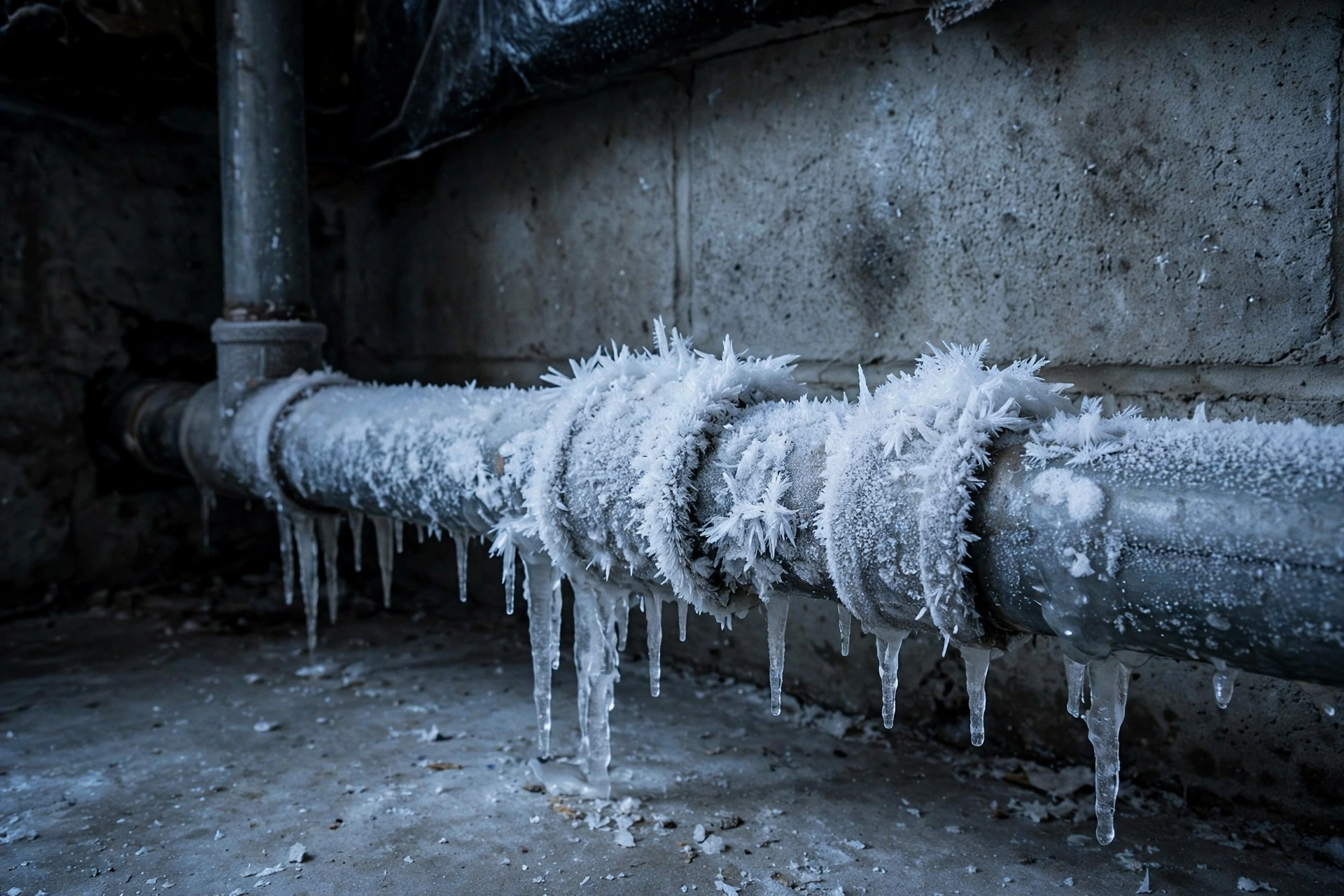
When a furnace fails in winter, indoor temperatures can fall until water in pipes freezes and expands, so prot…
Learn more
A furnace may blow cool air briefly while it warms up, but steady cold air usually points to a thermostat sett…
Learn more