Furnace Not Turning On in New Hampshire
Before calling for service, check the thermostat setting and batteries, the furnace power switch, the breaker …
Learn more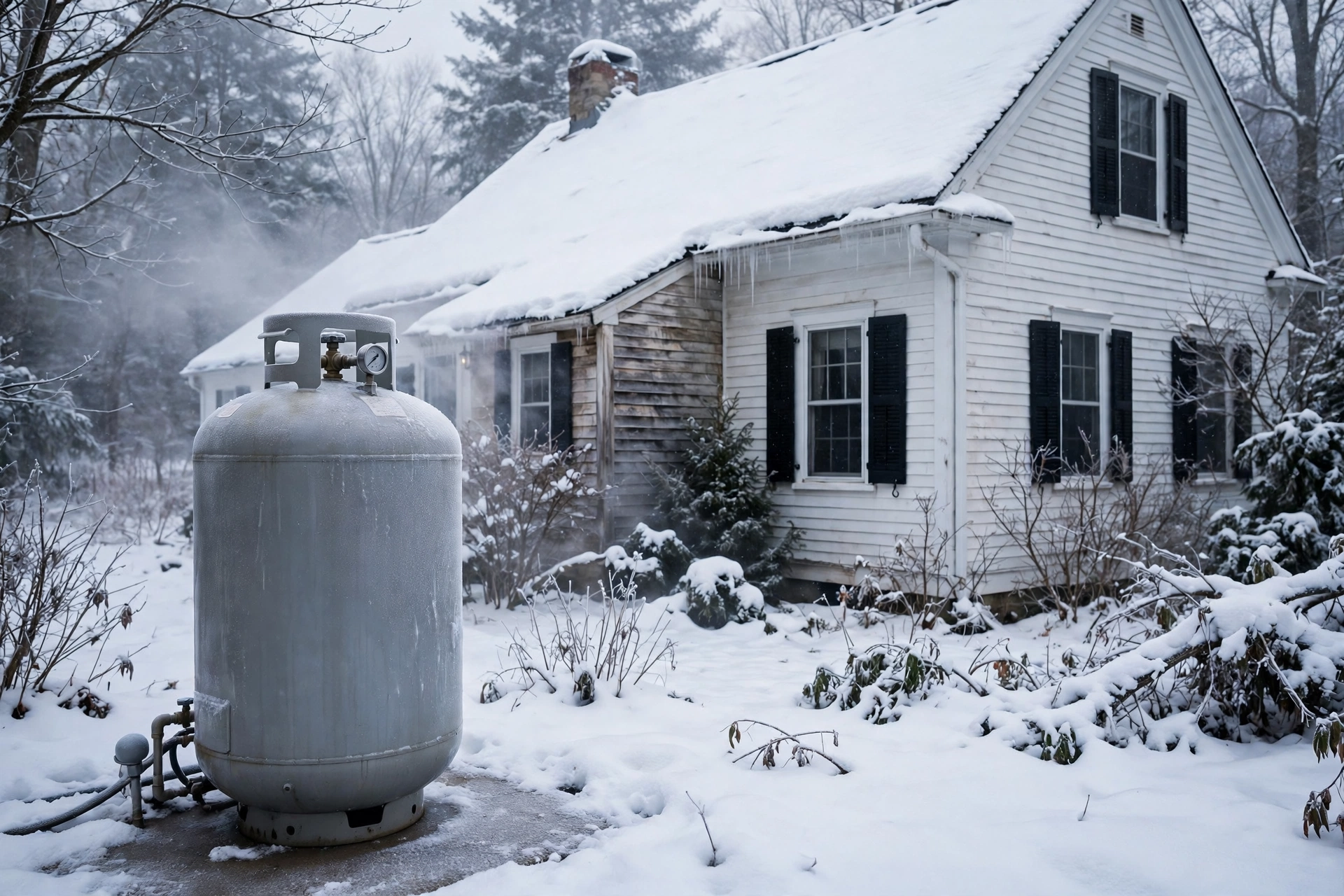
When the forecast shows a week of subzero nights in the North Country, backup heat stops being a nice extra. It becomes the thing standing between your family and a very cold house. Plenty of New Hampshire homes carry two fuels for exactly this reason: a primary furnace, plus an oil or propane backup ready to take over when the main system quits.
The two fuels do not behave the same at 15 below. Oil sits in its tank and burns hot on demand, while propane fights the cold itself, losing pressure right when you need it most. This guide compares the two as backup furnace fuel for New Hampshire cold snaps, so you know which fits your house before the next Arctic blast.
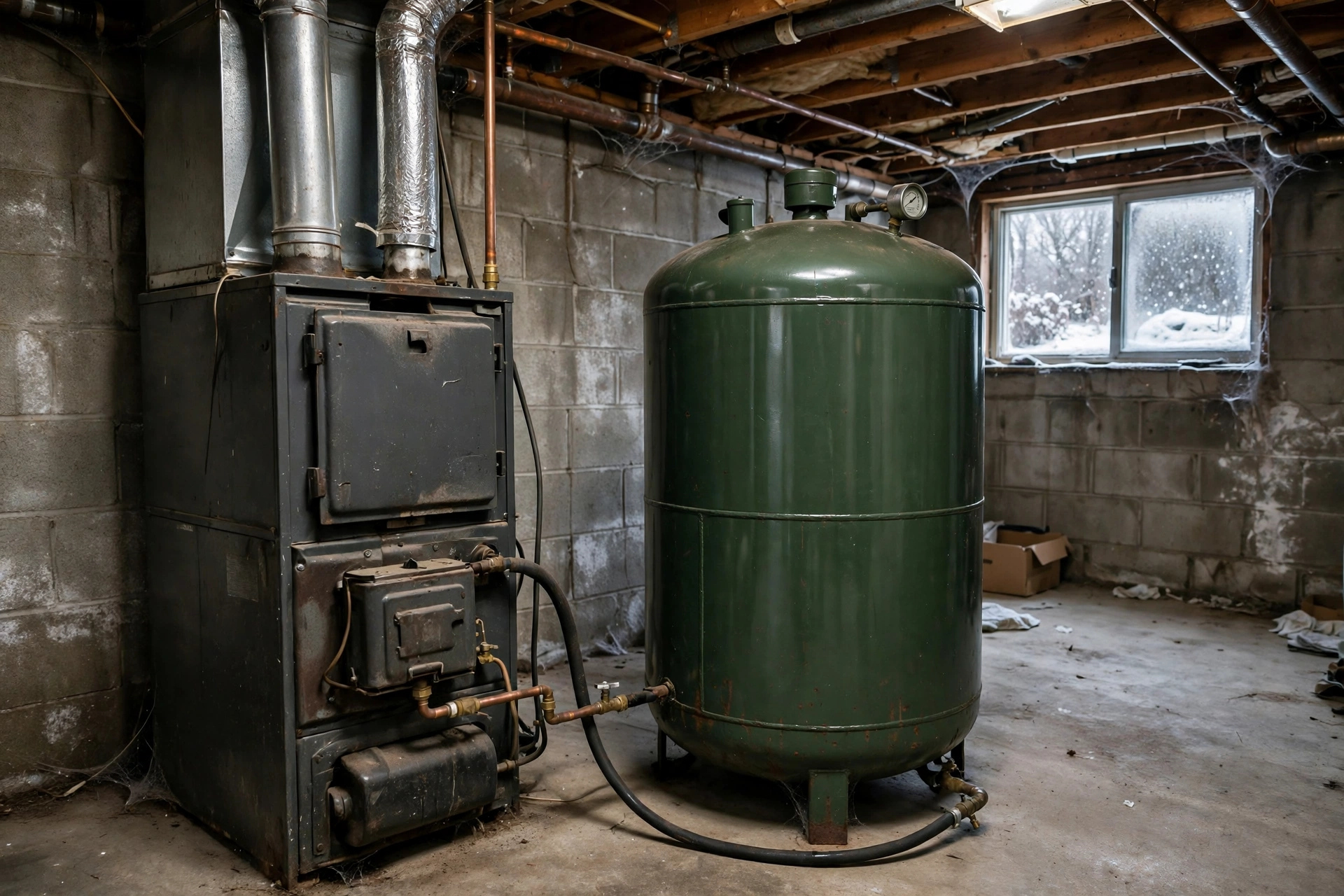
An oil furnace barely notices the temperature outside. The fuel waits in a basement or buried tank, the burner pumps it through a nozzle, and it burns hot and steady whether it is 30 degrees or 20 below. Cold can thicken fuel oil, but that is mainly a worry for an outdoor aboveground tank in an exposed spot. Most New Hampshire oil tanks sit in the basement, out of the cold's reach.
Propane has the opposite problem. It rests in its tank as a liquid and must boil into vapor to feed the furnace. The colder it gets, the slower that boiling happens, and vapor pressure drops with it. During a stretch of single digits and below, a half-empty tank can struggle to push enough vapor to keep the burner lit, and the furnace locks out just when the house is losing heat fastest.
A bigger tank helps propane, since more fuel surface gives vapor more room to form. Most rural New Hampshire homes run a single 500-gallon tank, sometimes smaller. Oil asks you to think about none of this, which is one reason old-timers in Berlin and Colebrook country still trust it.
Yes, if the tank is full going in and the load is modest. A propane furnace is a fine heater. Trouble starts when the gauge reads low before the cold arrives, because propane burns shockingly fast in subzero weather. A house that sips fuel in November can empty a tank in days when the temperature will not leave the single digits.
That is the scenario that plays out every cold snap: the tank runs dry on a Sunday night, the house drops a degree an hour, and the delivery company is backed up three days with everyone else who ran dry. No truck can fill a tank that was never ordered.
The habit that saves you is simple. Treat it like the fuel gauge on a long road trip, and call for a fill at 30 percent, not 10. Automatic delivery helps, but routes can slip a day during a real cold snap. A personal glance at the gauge costs nothing.
Related: furnace repair in New Hampshire
Oil delivery is the simpler side of this comparison. A typical tank holds 275 gallons, and a backup burner sips from it only when called on, so a full tank can stand by for weeks and still have plenty left when the cold snap hits. Oil dealers run their trucks through Nor'easters, and a fill pipe on the side of the house makes a quick stop.
Propane fills take longer and happen less often, so timing matters more. During a widespread cold snap, every propane customer from Plymouth to Conway is calling the same office, and the route book fills fast.
Driveway access decides many winter deliveries. If the plow has not come through and the driver cannot reach the fill point with the hose, the truck keeps rolling. Shovel a path to the fill pipe or tank before the storm, and you will never be the house the truck skipped.
Pick oil if your house already has an oil tank and burner, or if you want the lowest-maintenance backup. It stores well, sits for months without complaint, and asks nothing of you before a storm. Homes in the far north, where minus 20 shows up most winters, favor oil for exactly this reason.
Pick propane if your primary heat is a heat pump that loses its edge in deep cold, and you want a clean-burning backup that can also run the stove and dryer. It just asks more of you: gauge watching, timely fills, and a tank sized for your coldest week.
Homes with no tank at all face a bigger project: permits, a tank pad or basement tank, and a burner to go with it. Talk it through with a heating contractor who knows your town's setup before the snow flies.
Related: seasonal furnace tune-up in New Hampshire, heating help in Berlin, NH
Whichever fuel you choose, the backup only helps if it actually starts. Run the backup burner for a few minutes in October and listen for trouble: hard starts, smoke, a burner that rumbles and quits. A problem found in fall is a tune-up. The same problem at 10 below is a crisis.
Keep tanks, fill pipes, and outdoor vents clear all season, and keep the path to everything shoveled. The best fuel in the world does no good if nobody can reach it.
One last habit. Write the delivery company's number on a card and tape it to the tank. In a real cold snap, with frozen fingers and a cooling house, that is not when you want to be hunting for it.
Read the guide, then describe your furnace problem and we will help arrange the next step.
Heating oil does not freeze, but it thickens in bitter cold. Indoor and buried tanks almost never have trouble. An outdoor aboveground tank in an exposed spot can get sluggish well below zero, which is why most New Hampshire oil tanks live in the basement.
Propane must boil from liquid to vapor inside the tank, and extreme cold slows that process. A low tank makes it worse. If the furnace short cycles or will not stay lit in subzero weather, the tank may need a fill before you blame the equipment.
Enough to ride out the cold plus a cushion. For oil, that means never dropping below a quarter tank in winter. For propane, order at 30 percent instead of waiting, because delivery routes fill up fast once the whole county starts calling.
A switch usually means new equipment rather than a conversion, plus a propane tank, gas piping, and permits. Many homeowners make the change when the primary system is replaced too. Plan it in the fall, not in January.
Check the thermostat setting, the tank gauge, and the furnace power switch, which gets bumped off by accident more often than you would think. If everything looks right and the house keeps cooling, call for help right away.
Still weighing oil against propane for your home? Get in touch and describe your setup, and Granite State Furnace Pros will help you think it through.
Call (855) 625-1748Before calling for service, check the thermostat setting and batteries, the furnace power switch, the breaker …
Learn more
Fall furnace care in New Hampshire means changing filters, clearing vents, testing the thermostat and safety c…
Learn more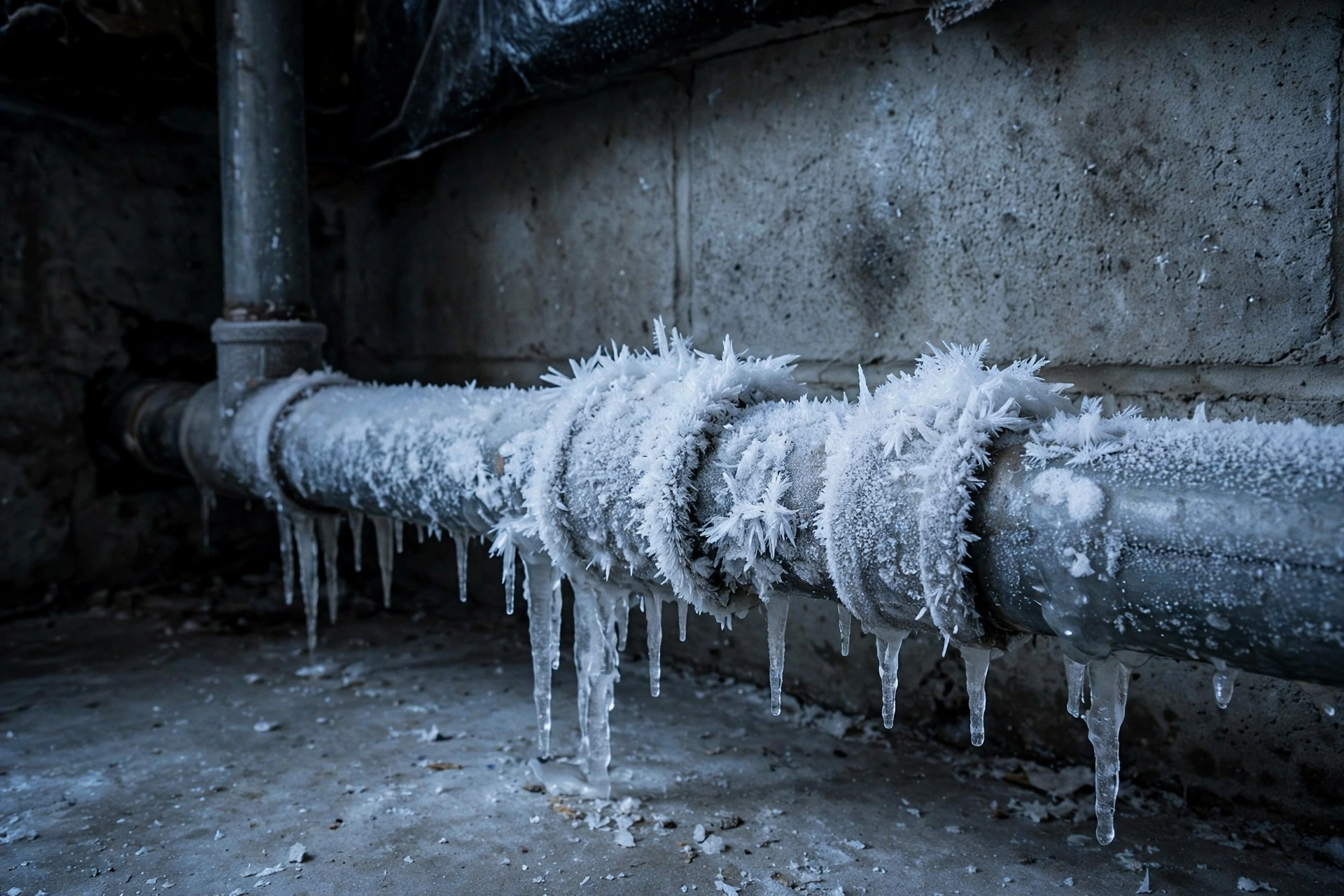
When a furnace fails in winter, indoor temperatures can fall until water in pipes freezes and expands, so prot…
Learn more