Furnace Not Turning On in New Hampshire
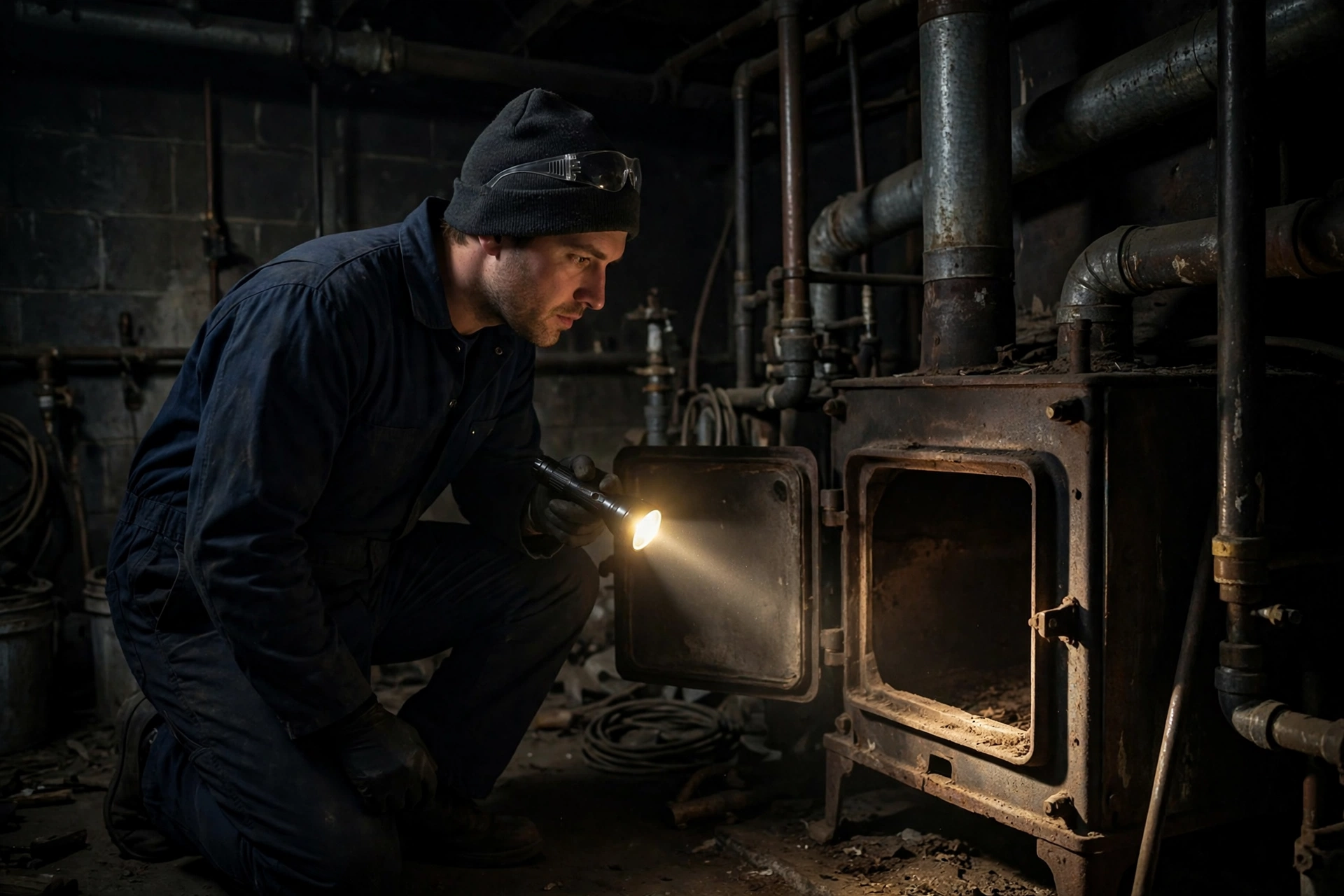
Before calling for service, check the thermostat setting and batteries, the furnace power switch, the breaker …
Learn more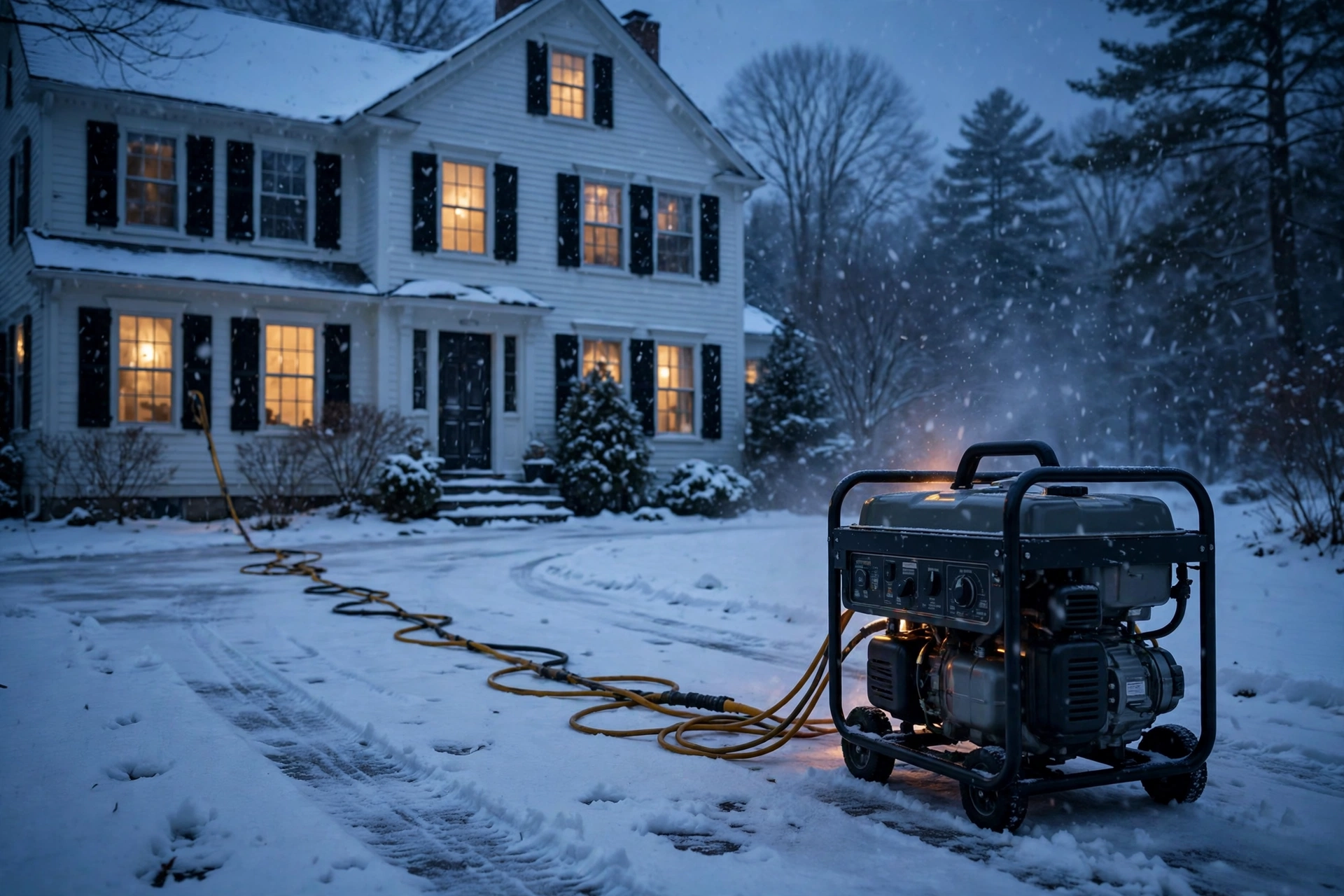
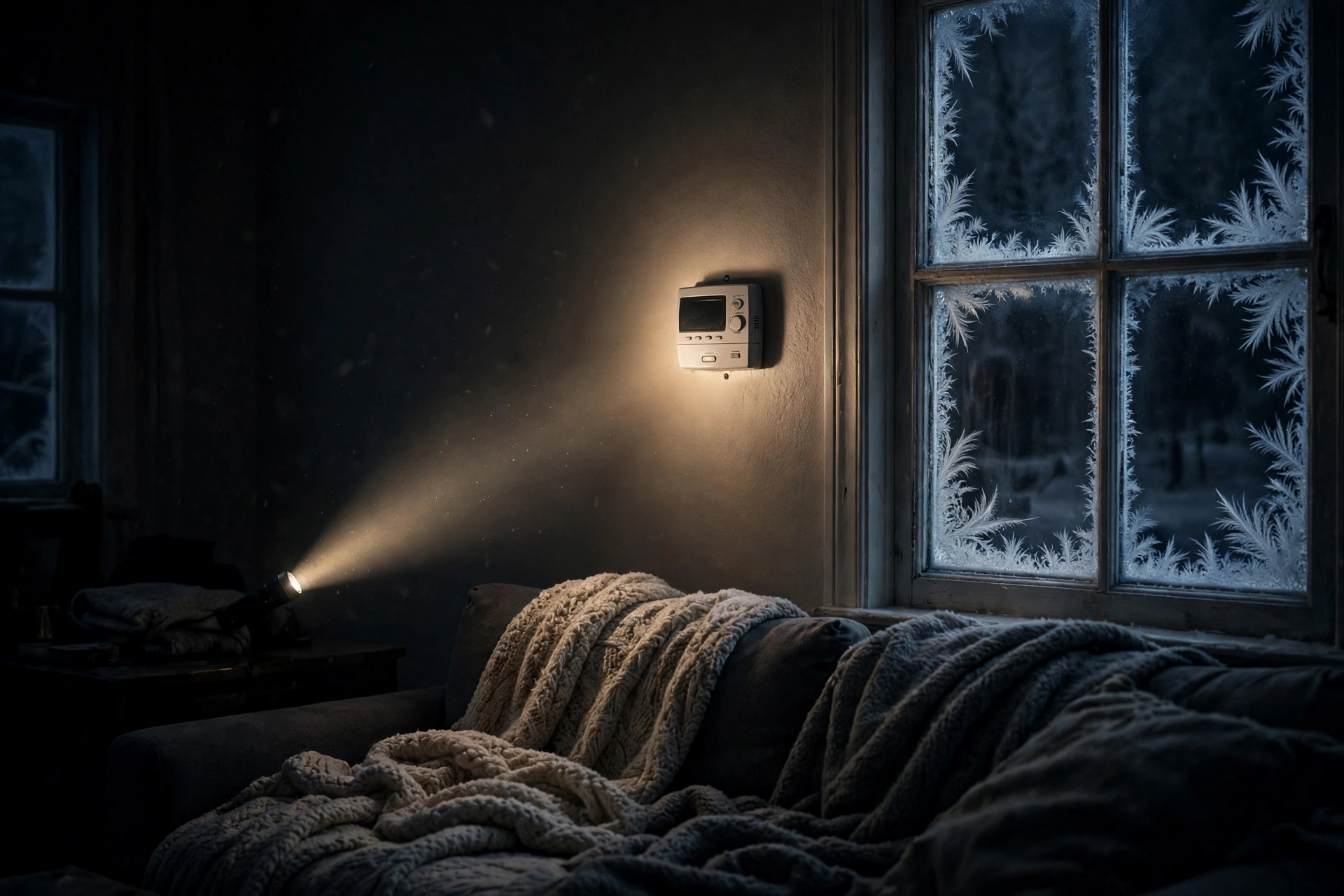
Every New Hampshire winter brings at least one ice storm that takes the power out for hours or days. Trees come down across lines from Concord to the North Country, and crews work through the night while houses cool degree by degree. If you heat with a furnace, an outage is not just an inconvenience. It is a countdown.
Here is the part that surprises people: your furnace cannot run without electricity, no matter what fuel it burns. Oil and gas provide the heat, but the blower motor, the igniter, the controls, and the safety switches all run on household current. No power means no heat, full stop. This guide covers how to prepare before the storm, how to power the furnace safely during one, and how to keep your pipes from freezing while you wait.
It helps to know exactly what the electricity does, so the outage plan makes sense. On an oil furnace, electric power runs the burner motor that pumps and atomizes the fuel, the ignition transformer that sparks it, the blower that moves heated air through your ducts, and the control board that sequences the whole cycle. A gas furnace is the same story minus the oil pump: inducer motor, igniter, blower, and controls all need current.
When the grid drops, all of that stops at once. The furnace does not sputter or fade. It simply goes dark, along with the thermostat on your wall. Knowing this ahead of time matters, because the most dangerous outage mistakes come from improvising heat with equipment that was never meant to heat a house.
A portable generator can carry a furnace through an outage, but size matters. A typical residential furnace draws modest running power, roughly the equivalent of a few large appliances, but the blower motor needs a surge of extra current to start. A generator that can handle the running load but not the starting surge will stall or trip the moment the furnace calls for heat.
As a practical rule, most single furnaces run fine on a mid-size portable generator in the 5,000 to 7,500 watt range, with room left over for a refrigerator, some lights, and phone chargers. Add up what you plan to run at once, include the starting surge for the blower, and leave margin. When in doubt, a technician can tell you your furnace model’s electrical draw from the data plate during a [fall tune-up](/furnace-maintenance-tune-ups), which is useful information to have before you shop for a generator.
Fuel is the other half of sizing. A portable generator drinks gasoline, and stations lose power too, so their pumps stop. Keep enough stabilized fuel on hand for at least a day of intermittent running, stored safely away from the house. Our comparison of heating oil versus propane for New Hampshire cold snaps is a reminder that fuel planning wins cold snaps, and the same thinking applies to generator gas.
Related: furnace repair, heating oil vs propane for NH cold snaps
Generators kill people every winter, and it is always the same handful of mistakes. Run the generator outdoors, far from the house, never in a garage, basement, or enclosed porch, even with the door open. Exhaust contains carbon monoxide, which is odorless and drifts with air currents. Keep the unit at least twenty feet from doors and windows, with the exhaust pointed away from the house.
Never plug a generator directly into a wall outlet to backfeed your panel. That sends power out through your service lines and can electrocute line workers trying to restore your street. The safe connection is a transfer switch installed by an electrician, which isolates your house from the grid, or heavy-duty extension cords run directly to the furnace and other essentials.
Keep a battery-powered carbon monoxide detector running during any outage, in addition to your plug-in units. If any detector sounds, get everyone out and call for help from outside. The furnace guide to frozen pipes after a furnace failure covers what cold does to plumbing while you sort out power.
Related: frozen pipes after a furnace failure in New Hampshire
A house loses heat slowly, which gives you a working window. Interior pipes are usually safe for several hours in a well-insulated home, but pipes in exterior walls, crawl spaces, and unheated garages freeze first. Open cabinet doors under sinks on exterior walls so room air reaches the pipes, and let faucets drip, both hot and cold, to keep water moving.
If the outage stretches past a day and the indoor temperature keeps falling, the calculus changes. Know where your main water shutoff is before the storm, because shutting off the water and draining the lowest faucets is the surest protection for an extended outage. Keep the thermostat set as usual so the furnace restarts itself the moment power returns.
Do not use ovens, grills, or camp stoves for heat. They produce carbon monoxide and start fires, and they do not warm a house anyway. Blankets, layered clothing, and one room closed off and shared are safer than any improvised heater.
Most furnaces restart on their own when power returns, but check. Walk to the thermostat and confirm it is calling for heat, then listen for the normal startup sequence. If the furnace does not start, check the breaker first, since surges during restoration trip breakers regularly. One reset is reasonable. If it trips again or the furnace behaves oddly, stop and call rather than forcing it.
Walk the house and feel for warm air at several registers, and glance at pipes in cold spots for any sign of freezing or leaking. Power restoration sometimes reveals a pipe that froze and split during the outage, and catching it in the first hour saves real damage. If anything seems wrong with the heat, do not wait for the next cold night to find out.
Related: furnace tune-up
The best outage plan is built in October, not during one. Get the furnace serviced so it is starting the winter clean and reliable: burners, ignition, controls, and safety switches all tested. Ask the technician about your furnace’s electrical draw and write it on the service sticker, so generator shopping is a numbers game instead of a guess.
Test your detectors, locate the water shutoff, and make sure everyone in the house knows both. Keep flashlights, batteries, and a battery radio where you can find them in the dark. And if you buy a generator, run it once before you need it, so the first startup is not happening in a snowstorm at midnight.
New Hampshire will test your heat every winter. A furnace that is maintained, a generator that is sized and fueled, and a household that knows the safety rules turn an outage from an emergency into an inconvenience. For the maintenance half of that plan, book the fall visit and head into the season ready.
Read the guide, then describe your furnace problem and we will help arrange the next step.
Before calling for service, check the thermostat setting and batteries, the furnace power switch, the breaker …
Learn more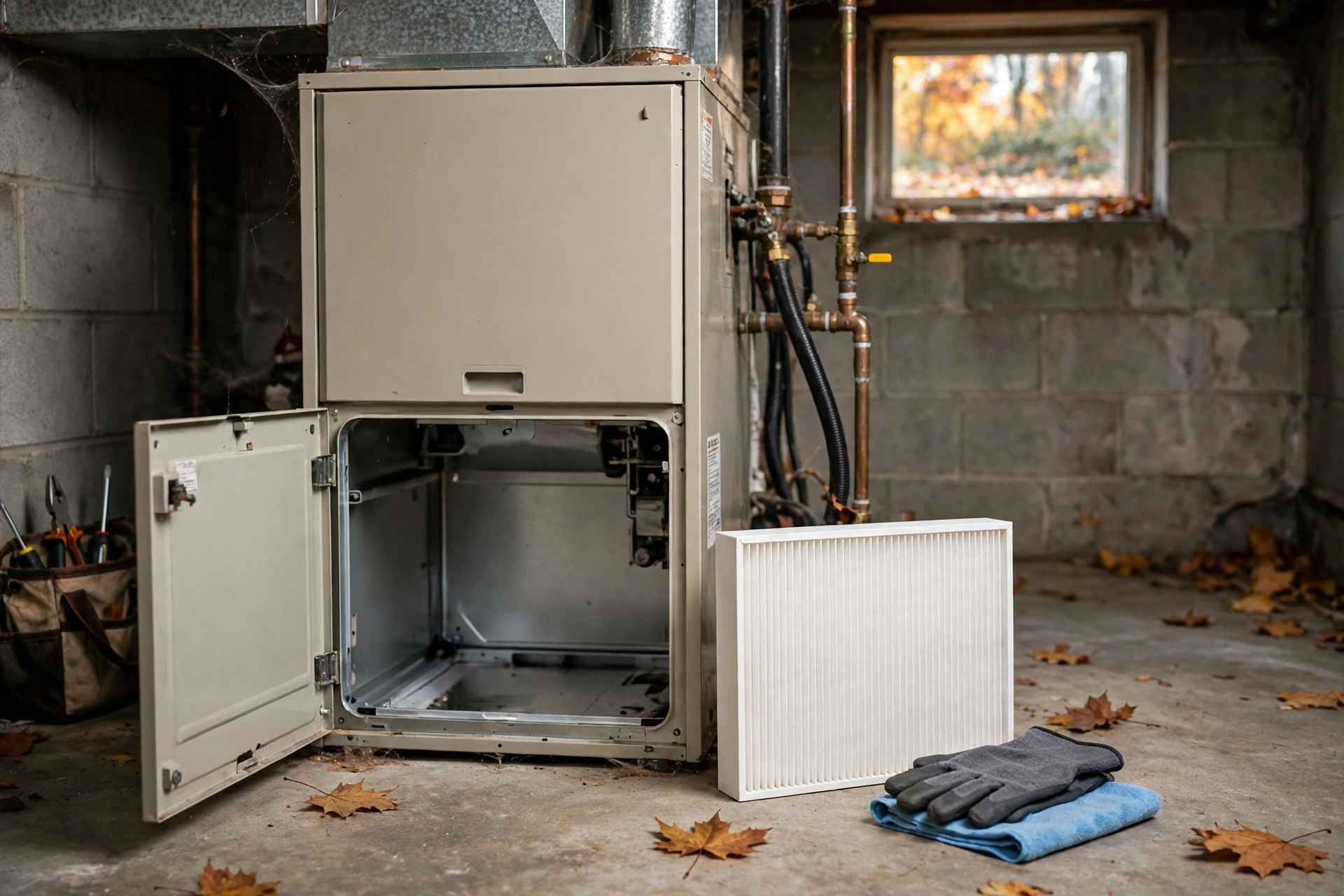
Fall furnace care in New Hampshire means changing filters, clearing vents, testing the thermostat and safety c…
Learn more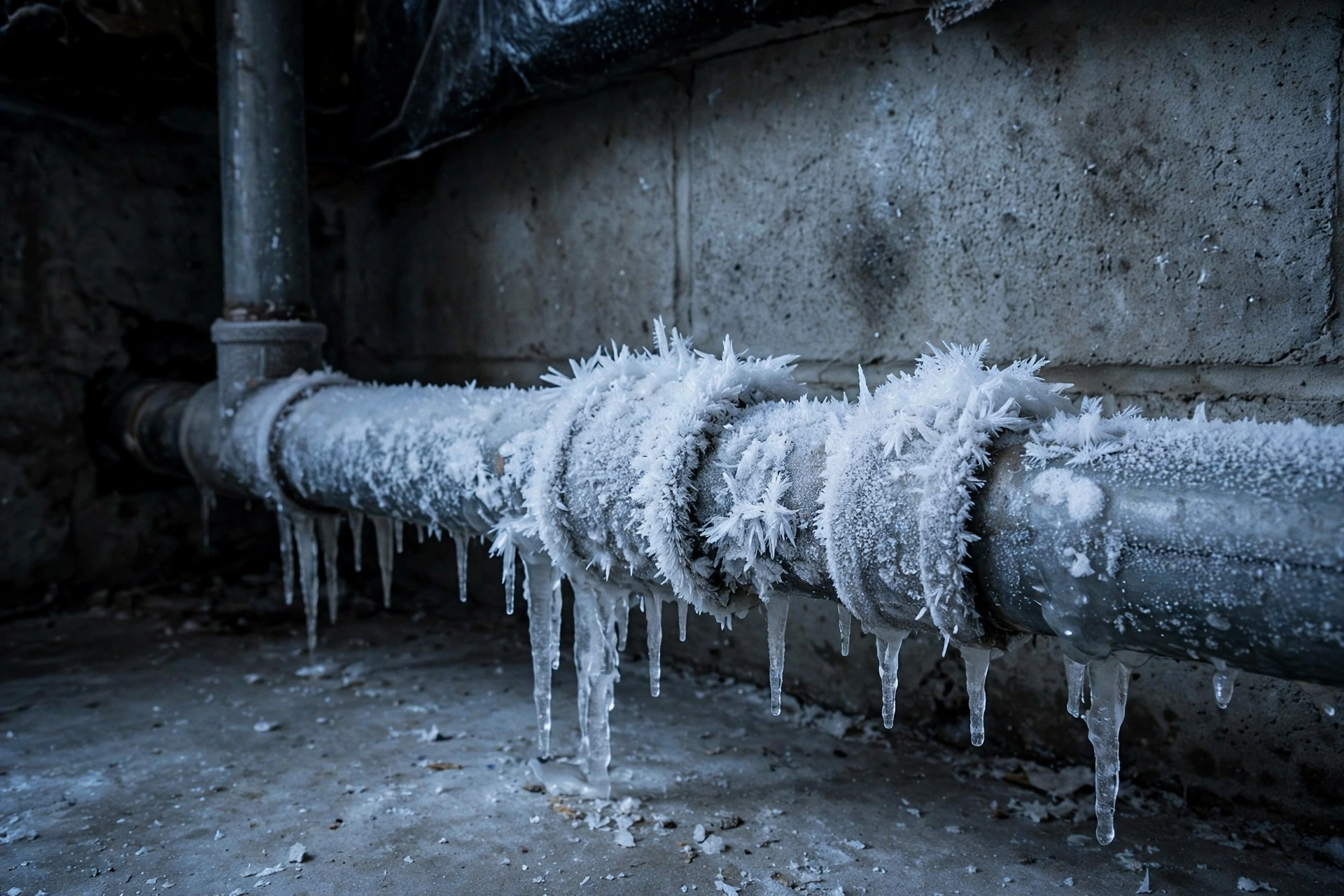
When a furnace fails in winter, indoor temperatures can fall until water in pipes freezes and expands, so prot…
Learn more